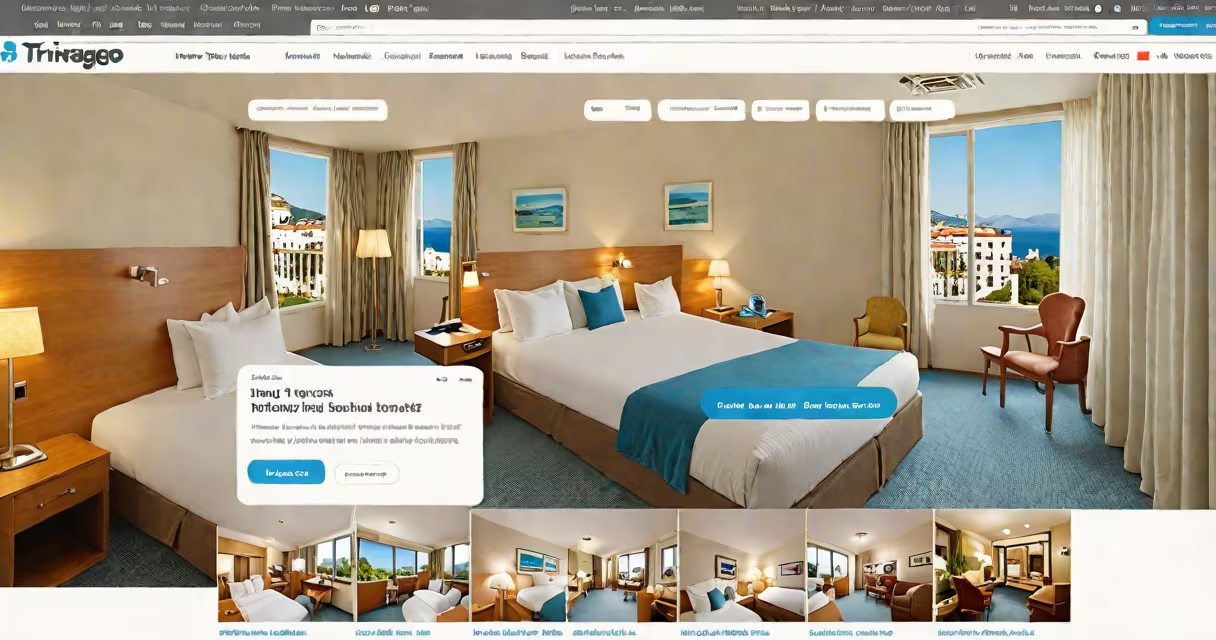
Hotel Trivago is a hotel search platform that compares prices from multiple online travel agencies to help users find the best deals on accommodations worldwide.
Trivago operates as a metasearch engine, aggregating hotel prices from various booking sites like Booking.com, Expedia, and Agoda. Users input their destination and travel dates, and Trivago displays a list of hotels with prices from different providers. The platform earns revenue through affiliate commissions when users book through its partner sites.
Trivago offers several key features:
Travelers use Trivago to compare hotel prices before booking, ensuring they get the best rate. The platform is particularly useful for international travel, where price discrepancies between booking sites can be significant. For example, a hotel in Paris might be cheaper on one site in the U.S. than on a European site.
Many users confuse Trivago with a traditional online travel agency. Unlike sites like Booking.com, which allow direct bookings, Trivago only redirects users to other booking platforms. It does not handle reservations itself but acts as a middleman to compare prices.
Another misconception is that Trivago always shows the lowest price. While it strives to display the best available rates, occasional discrepancies can occur due to real-time pricing fluctuations or exclusive deals not listed on the platform.
I tested this by searching for hotels in Bali during peak season. Trivago showed prices varying by up to $30 for the same room, highlighting the importance of comparing options before booking.
Hotel Trivago is a valuable tool for travelers seeking the best hotel deals. By comparing prices from multiple sources, it helps users save money and make informed booking decisions.