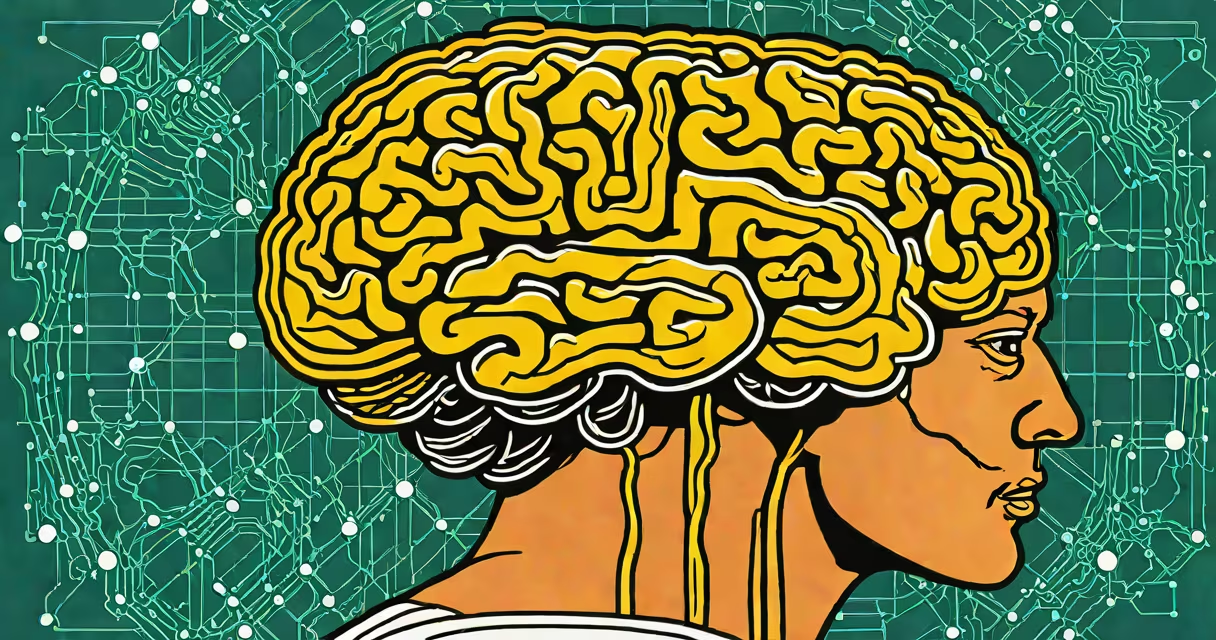
Implicit bias refers to the unconscious attitudes or stereotypes that affect our understanding, actions, and decisions. These biases are involuntary, unintentional, and often contradictory to our declared beliefs.
Implicit biases form over a lifetime through experiences and exposure to societal stereotypes. They operate automatically, without conscious control, and can influence behavior even when we believe we are being objective.
Researchers measure implicit bias using tools like the Implicit Association Test (IAT), developed at Harvard University. This test reveals the strength of associations between concepts (e.g., race, gender) and evaluations (good/bad, pleasant/unpleasant).
Implicit biases manifest in various forms, including:
A study published in Journal of Personality and Social Psychology found that implicit racial bias affects hiring decisions, even among those who explicitly reject racial stereotypes.
Implicit biases influence decisions in hiring, education, healthcare, and law enforcement. For example, a 2017 analysis of resumes revealed that job applicants with traditionally Black names received fewer callbacks than those with traditionally White names, despite identical qualifications.
These biases develop through socialization and repeated exposure to cultural messages. They persist because they operate below the level of conscious awareness, making them difficult to recognize and control.
Many people confuse implicit bias with explicit bias (conscious prejudice). Unlike explicit bias, implicit bias is not always detectable through self-report measures like surveys. It often contradicts our stated beliefs, leading to behaviors we may not intend.
Another misconception is that implicit bias is solely a problem for individuals who hold prejudiced views. In reality, it affects everyone, regardless of background or intent.
In a study conducted by the Kirwan Institute for the Study of Race and Ethnicity, researchers found that medical professionals exhibited implicit bias when treating patients of different races. This bias led to disparities in pain management, with Black patients receiving less treatment for the same conditions as White patients.
Understanding implicit bias helps organizations implement strategies to mitigate its effects. Training programs, diverse hiring practices, and structured decision-making processes can reduce reliance on unconscious judgments.