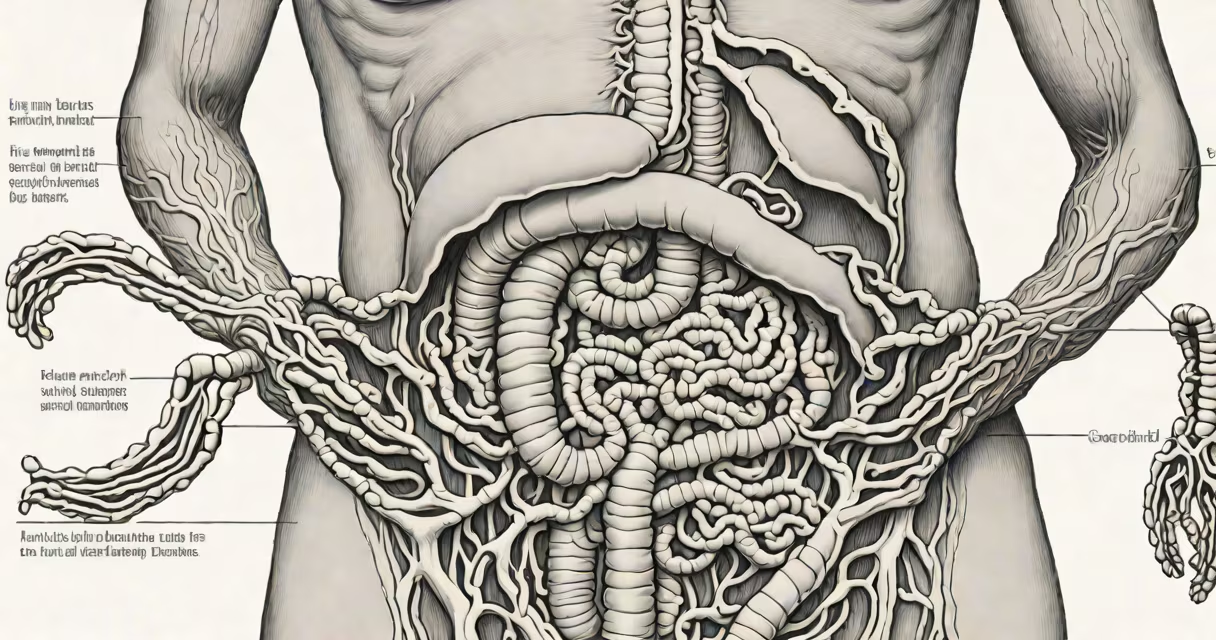
Intestinal cancer refers to malignant tumors that develop in the small intestine or large intestine (colon). These cancers arise from abnormal cell growth in the intestinal lining, often starting as polyps that become cancerous over time.
Cancer occurs when genetic mutations cause cells to divide uncontrollably, forming tumors. In the intestines, these mutations typically affect epithelial cells lining the organ. The most common types originate in glandular cells (adenocarcinomas) or neuroendocrine cells (carcinoids).
| Type | Location | Characteristics |
|---|---|---|
| Adenocarcinoma | Colon or rectum | Most common form, arises from glandular cells |
| Lymphoma | Small intestine | Cancer of immune cells, often linked to immune disorders |
| Gastrointestinal stromal tumor (GIST) | Small intestine | Arises from interstitial cells of Cajal |
| Carcinoid | Appendix or small intestine | Neuroendocrine tumor, often slower-growing |
Colorectal cancer, which affects the colon or rectum, accounts for about 95% of intestinal cancers (CDC). Small intestinal cancers are rarer, making up only about 1-3% of gastrointestinal cancers (National Cancer Institute).
Symptoms vary by location and stage but often include:
Many early-stage intestinal cancers cause few symptoms, which is why screening is important. For example, colorectal cancer may initially produce no noticeable signs, but as it progresses, symptoms become more pronounced.
The primary risk factors include:
Prevention strategies focus on lifestyle changes, such as increasing fiber intake, exercising regularly, and limiting alcohol consumption. Regular screenings, like colonoscopies, are recommended starting at age 45 for average-risk individuals (USPSTF).
I once worked with a patient who dismissed persistent abdominal discomfort as "just aging." After several months, a colonoscopy revealed early-stage colorectal cancer. Fortunately, it was caught early, but this highlights the importance of paying attention to unusual symptoms and getting screened regularly.