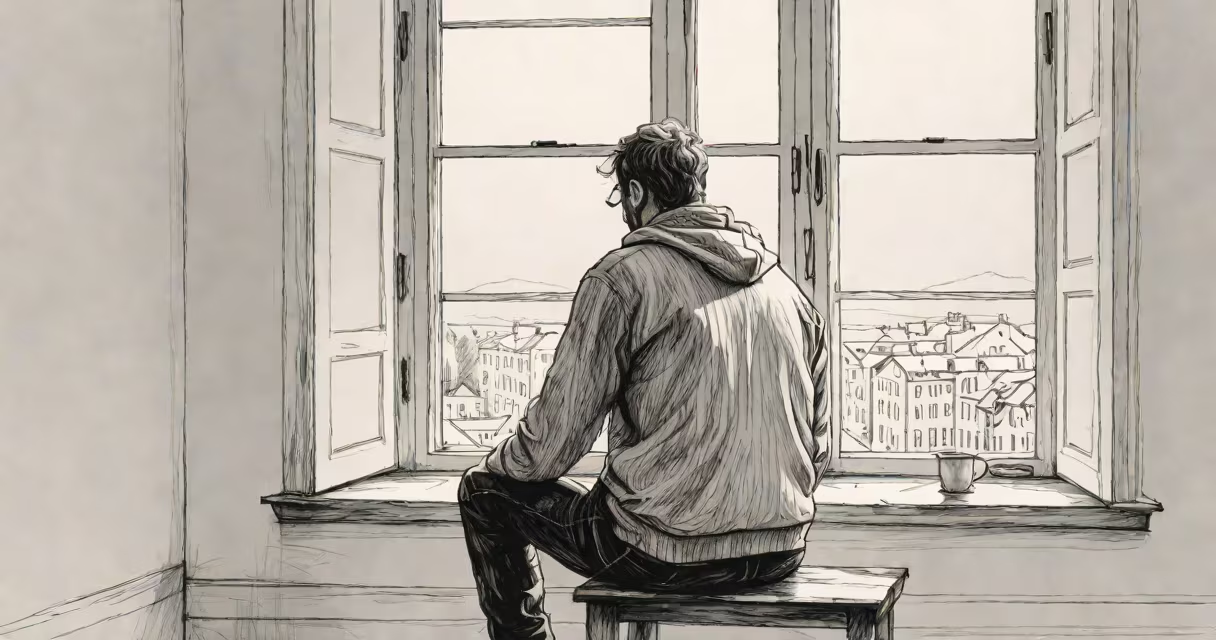
Major depression recurrent refers to a pattern of depressive episodes that return over time, separated by periods of normal mood. Unlike single episodes, recurrent depression involves at least two major depressive episodes.
Recurrent depression follows a cyclical pattern. After a period of remission, symptoms return, often triggered by stress, hormonal changes, or other factors. Each episode can last weeks or months, with varying severity.
The brain's neurotransmitter systems, particularly serotonin, dopamine, and norepinephrine, play important roles. Imbalances in these chemicals affect mood regulation, sleep, and appetite.
Genetics, brain chemistry, and environmental factors contribute to recurrent depression. Traumatic events, chronic stress, and hormonal changes (e.g., postpartum or menopause) can trigger episodes.
A study by the National Institute of Mental Health found that individuals with a family history of depression are three times more likely to experience recurrent episodes.
Treatment combines medication, therapy, and lifestyle changes. Selective serotonin reuptake inhibitors (SSRIs) like fluoxetine and sertraline are commonly prescribed. Cognitive-behavioral therapy (CBT) helps patients identify and change negative thought patterns.
Lifestyle changes, such as regular exercise, a balanced diet, and adequate sleep, also play a important role. Avoiding alcohol and drugs is essential, as they can worsen symptoms.
Many people believe recurrent depression is a sign of weakness or that it can be cured with willpower alone. In reality, it's a medical condition requiring professional treatment.
Another misconception is that antidepressants are the only solution. While medication is effective, therapy and lifestyle changes are equally important for long-term management.
I once worked with a client who believed their recurrent depression was due to personal failure. After educating them about the biological and environmental factors involved, they were more open to seeking treatment and making lifestyle changes.