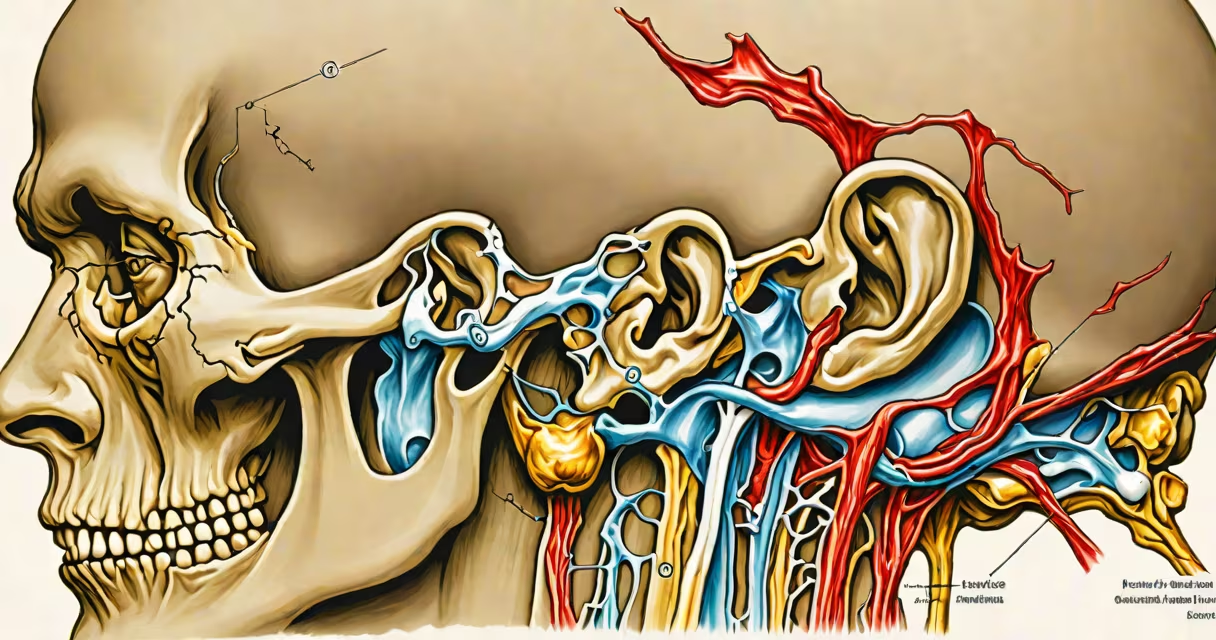
A mastoidectomy is a surgical procedure that removes infected air cells in the mastoid bone, part of the skull behind the ear. Surgeons perform it to treat chronic ear infections, complications from ear infections, or cholesteatoma (abnormal skin growth). The procedure aims to eliminate infection, improve ear drainage, and prevent damage to hearing structures.
The mastoid bone contains air-filled spaces connected to the middle ear. When these spaces become infected or filled with abnormal tissue, they can cause chronic infections or damage to nearby structures like the eardrum or hearing bones. During a mastoidectomy, surgeons access these spaces through an incision behind the ear, remove diseased tissue, and sometimes reconstruct damaged areas.
Surgeons perform mastoidectomies under general anesthesia. The procedure typically lasts 1-3 hours, depending on the extent of disease and whether additional repairs (like eardrum reconstruction) are needed. Patients usually stay in the hospital for 1-2 days afterward.
Surgeons classify mastoidectomies by how much of the mastoid bone is removed:
| Type | Description | Common Use |
|---|---|---|
| Simple (Cortical) Mastoidectomy | Removes only the outermost layer of the mastoid bone | Drain chronic ear infections |
| Modified Radical Mastoidectomy | Removes diseased air cells but preserves some middle ear structures | Treat cholesteatoma with some hearing preservation |
| Radical Mastoidectomy | Removes all mastoid air cells and middle ear structures | Severe, destructive infections or cholesteatoma |
Doctors recommend mastoidectomies when chronic ear infections or cholesteatoma don't respond to antibiotics or other treatments. The procedure helps prevent serious complications like:
According to the American Academy of Otolaryngology, mastoidectomies successfully treat about 90% of cases where chronic ear infections or cholesteatoma resist other therapies.
Many people confuse mastoidectomies with:
Another misconception is that mastoidectomies always cause hearing loss. While some hearing loss can occur, modern techniques (like modified radical mastoidectomy) often preserve hearing, especially in cases without severe damage.
After surgery, patients typically experience:
Full recovery takes about 8 weeks. Most patients regain normal activities without chronic ear infections. However, some may need follow-up procedures if complications arise.
I once observed a mastoidectomy during my training. The precision required to remove diseased tissue while preserving healthy structures was striking. The surgeon used a microscope and fine instruments to carefully go through the tiny spaces of the ear.
A mastoidectomy is a important procedure for treating severe ear infections or cholesteatoma when other treatments fail. By removing infected tissue from the mastoid bone, it prevents dangerous complications and restores ear health. While recovery takes time, the long-term benefits often outweigh the risks.