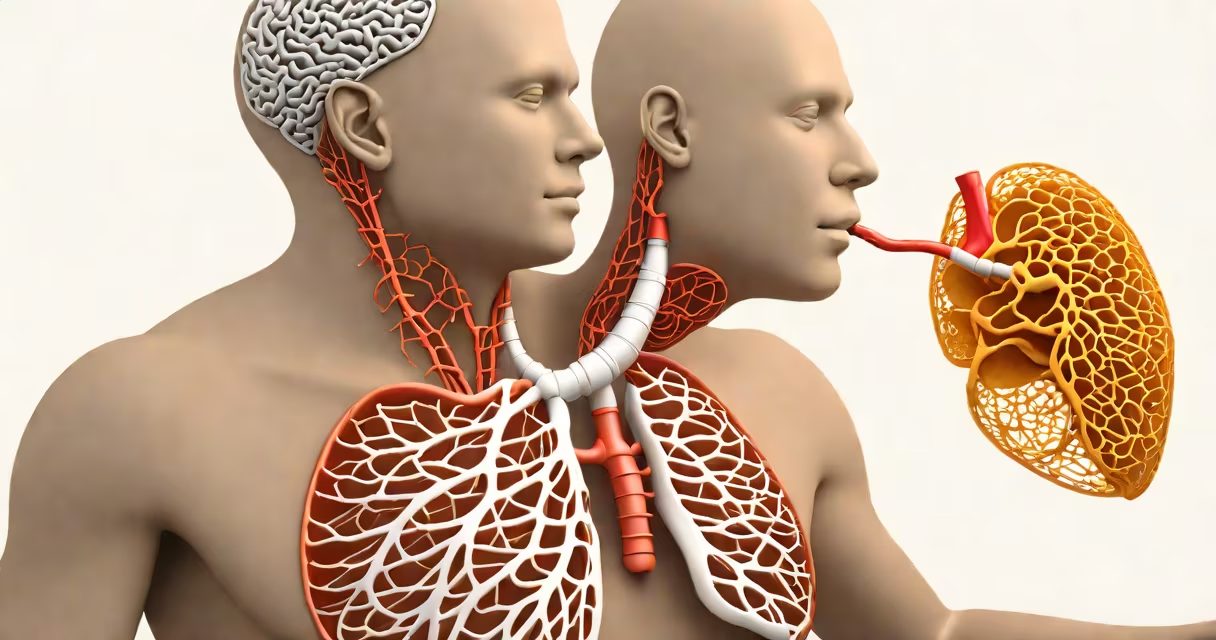
The lower respiratory tract is the portion of the respiratory system below the larynx, including the trachea, bronchi, and lungs. It facilitates gas exchange by transporting air to and from the lungs' alveoli.
The lower respiratory tract consists of several key structures:
Air travels through the nasal passages and pharynx before reaching the larynx. From there, it moves into the trachea, which splits into the left and right bronchi. These bronchi branch into smaller tubes called bronchioles, ending in clusters of alveoli. Oxygen diffuses through the alveoli walls into the bloodstream, while carbon dioxide moves from the blood into the alveoli to be exhaled.
The lower respiratory tract is susceptible to various conditions, including:
| Condition | Description | Symptoms |
|---|---|---|
| Asthma | A chronic inflammatory disease causing airway narrowing and mucus production. | Shortness of breath, wheezing, coughing, chest tightness. |
| Chronic Obstructive Pulmonary Disease (COPD) | A progressive condition including emphysema and chronic bronchitis, often caused by smoking. | Persistent cough, excessive mucus, difficulty breathing. |
| Pneumonia | An infection causing inflammation in the alveoli, often bacterial or viral. | Fever, chills, cough with phlegm, shortness of breath. |
| Lung Cancer | Uncontrolled cell growth in the lungs, primarily linked to smoking and environmental toxins. | Persistent cough, weight loss, chest pain, coughing up blood. |
According to the American Lung Association, lung cancer is the leading cause of cancer deaths among both men and women in the United States. Early detection and treatment are important for improving outcomes.
The upper respiratory tract includes the nose, sinuses, pharynx, and larynx. It filters, warms, and moistens incoming air. The lower respiratory tract, as described, handles the actual exchange of gases. Confusing the two is common, but understanding their distinct roles is essential for diagnosing and treating respiratory issues accurately.
To keep the lower respiratory tract healthy, consider these practices:
The lower respiratory tract is a marvel of biological engineering, ensuring our bodies receive the oxygen needed to function. By understanding its components and maintaining its health, we can support well-being and prevent respiratory diseases.