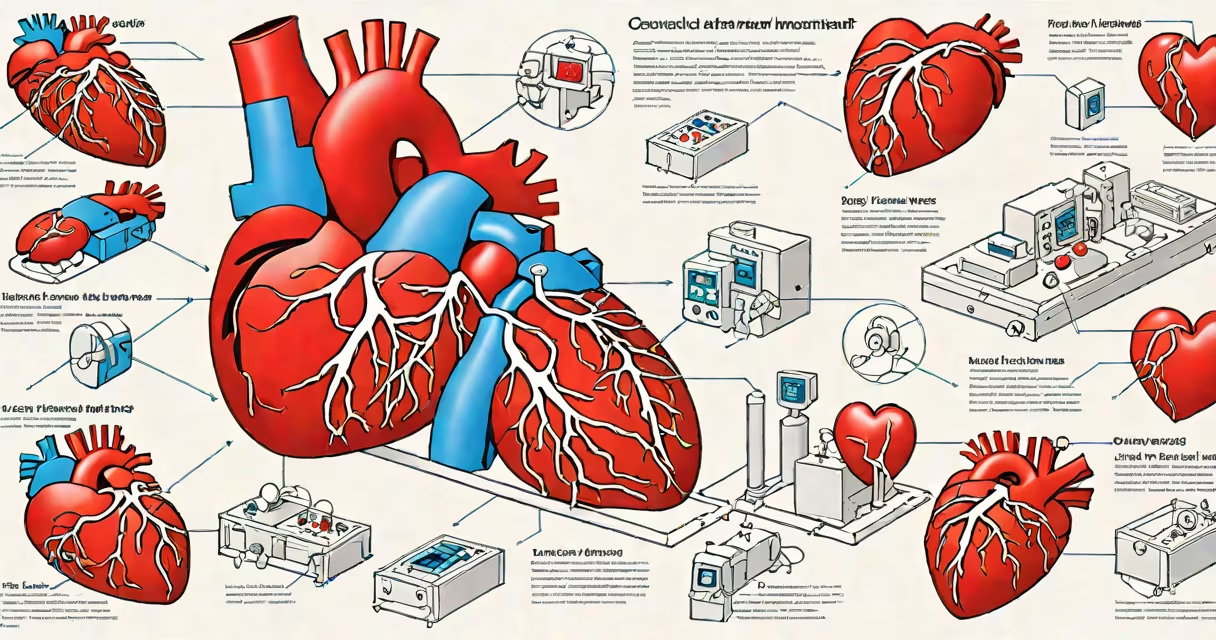
Cardiac arrest is a sudden loss of heart function where the heart stops beating effectively, causing the body to stop getting blood. Unlike a heart attack, which involves a blockage in the heart's blood vessels, cardiac arrest is an electrical malfunction that disrupts the heart's pumping action.
During cardiac arrest, the heart's electrical system malfunctions, leading to an irregular heartbeat (arrhythmia). This prevents the heart from pumping blood to the brain and other important organs. Without immediate treatment, such as CPR or defibrillation, cardiac arrest can lead to death within minutes.
There are two primary types of cardiac arrest:
Cardiac arrest can occur anywhere, including at home, work, or during physical activity. Common causes include coronary artery disease, heart attacks, and genetic conditions. Sudden cardiac arrest in young people is often linked to undiagnosed heart conditions or congenital defects.
Many people confuse cardiac arrest with a heart attack. While a heart attack is caused by a blockage in the coronary arteries, reducing blood flow to part of the heart, cardiac arrest is an electrical issue that stops the heart entirely. A heart attack can sometimes trigger cardiac arrest, but they are distinct events.
Another misconception is that cardiac arrest only affects older adults. However, it can strike anyone, including young athletes. According to the American Heart Association, sudden cardiac arrest in young people is often due to underlying conditions like hypertrophic cardiomyopathy.
In 2023, a high school basketball player collapsed during a game due to sudden cardiac arrest. Quick action by teammates and coaches, who performed CPR and used an automated external defibrillator (AED), saved his life. This highlights the importance of having AEDs available in public spaces and knowing basic lifesaving techniques.
The best way to prevent cardiac arrest is to maintain a healthy lifestyle, including regular exercise, a balanced diet, and avoiding smoking. For those at higher risk, regular check-ups and screenings can detect potential issues early.
If cardiac arrest occurs, immediate CPR and defibrillation are critical. The American Heart Association recommends learning CPR to increase survival rates. Public access to AEDs in schools, gyms, and other public places can also make a significant difference.