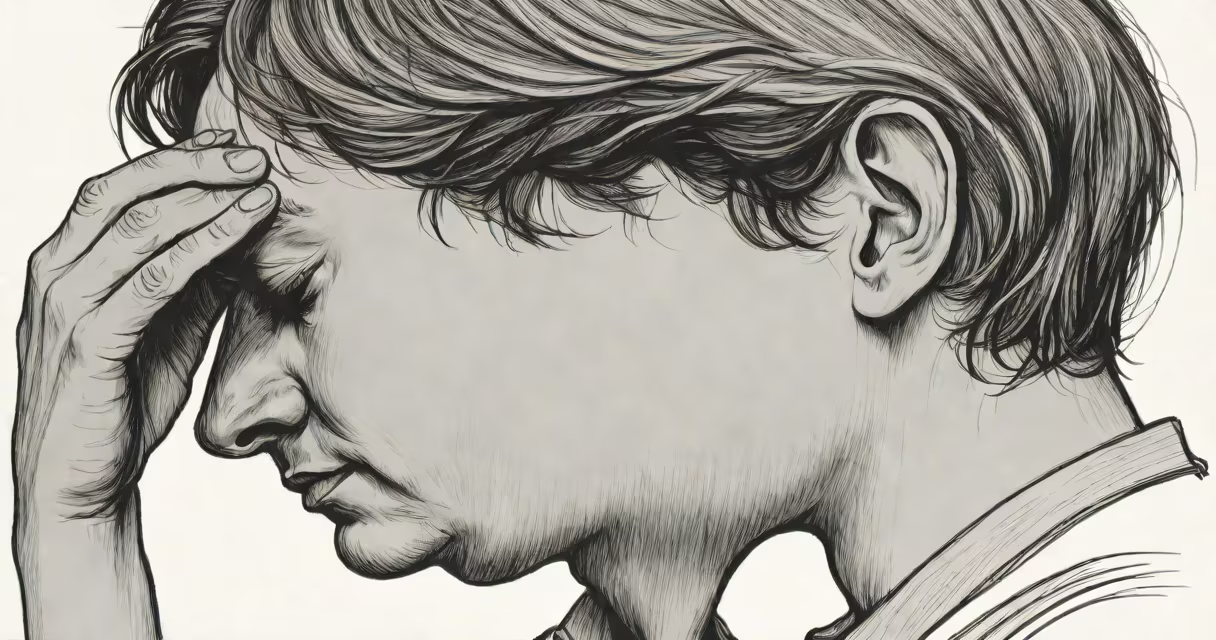
Dizziness describes a sensation of faintness, unsteadiness, or feeling off-balance. It's not a condition itself but a symptom of many possible underlying causes.
Dizziness happens when your brain receives conflicting signals about your body's position and movement. These signals come from your eyes, ears, muscles, and joints. When they don't match, you feel disoriented.
Dizziness falls into four main categories:
Dizziness can result from minor issues like low blood sugar or more serious conditions like stroke. Inner ear infections, migraines, and medication side effects are frequent culprits. Even stress or fatigue can trigger it.
For example, vertigo often stems from benign paroxysmal positional vertigo (BPPV), where tiny calcium crystals in the inner ear move out of place. This misleads the brain about body position, causing spinning sensations.
See a doctor if dizziness lasts longer than a few minutes, recurs often, or comes with symptoms like chest pain, trouble speaking, or vision loss. These could signal serious conditions like angina or stroke.
According to the Mayo Clinic, sudden, severe dizziness with headache or confusion requires immediate medical attention. The American Heart Association warns that dizziness combined with weakness on one side of the body may indicate a stroke.
Last year, I experienced brief dizziness after standing up too quickly. A doctor confirmed it was orthostatic hypotension-a drop in blood pressure when changing positions. Drinking more water and rising slowly helped prevent it.
Many people assume dizziness is always harmless. While it often passes quickly, ignoring persistent dizziness can lead to overlooking serious health issues. Another myth is that dizziness only affects older adults, but it can happen at any age.
The National Institute on Deafness and Other Communication Disorders notes that dizziness is one of the most common reasons adults visit doctors. Yet, many cases go undiagnosed because people dismiss the symptom.