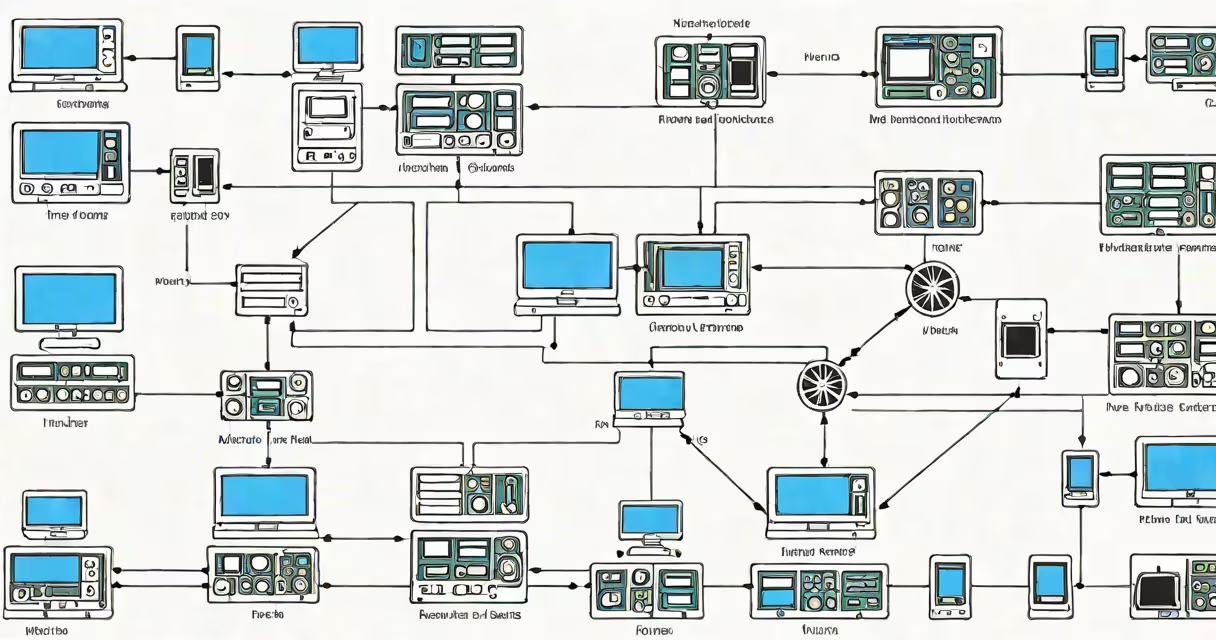
The Modbus TCP IP protocol is an Ethernet-based variant of Modbus designed for transmitting data between industrial electronic devices over local area networks. It uses the same request-response messaging structure as Modbus RTU but operates over standard TCP/IP networks.
Modbus TCP/IP encapsulates Modbus messages within TCP packets. A device sends a request packet containing the destination address, function code, and data. The receiving device processes this request and sends back a response packet with the requested data or confirmation of command execution.
Unlike Modbus RTU, which uses serial communication, Modbus TCP/IP operates over Ethernet networks. This allows for higher data rates and longer distances compared to serial connections. The protocol supports both client-server and peer-to-peer communication models.
Modbus TCP/IP consists of several key components:
This protocol is widely used in industrial automation systems, including:
According to the Modbus Organization, over 70 million devices worldwide use Modbus protocols, with a significant portion using the TCP/IP variant for Ethernet networks.
Many people confuse Modbus TCP/IP with other protocols:
| Protocol | Key Difference |
|---|---|
| Modbus RTU | Uses serial communication (RS-232/RS-485) instead of Ethernet |
| DNP3 | Designed specifically for power system communications |
| Profibus | Uses different message framing and addressing scheme |
A common mistake is assuming Modbus TCP/IP requires special network hardware. In reality, it works over standard Ethernet networks using existing infrastructure.
Consider a manufacturing plant with multiple PLCs controlling different machines. The plant's SCADA system needs to monitor and control these PLCs:
Modbus TCP/IP's simplicity and compatibility make it a popular choice for industrial networks. Its widespread adoption ensures long-term support and availability of compatible devices.