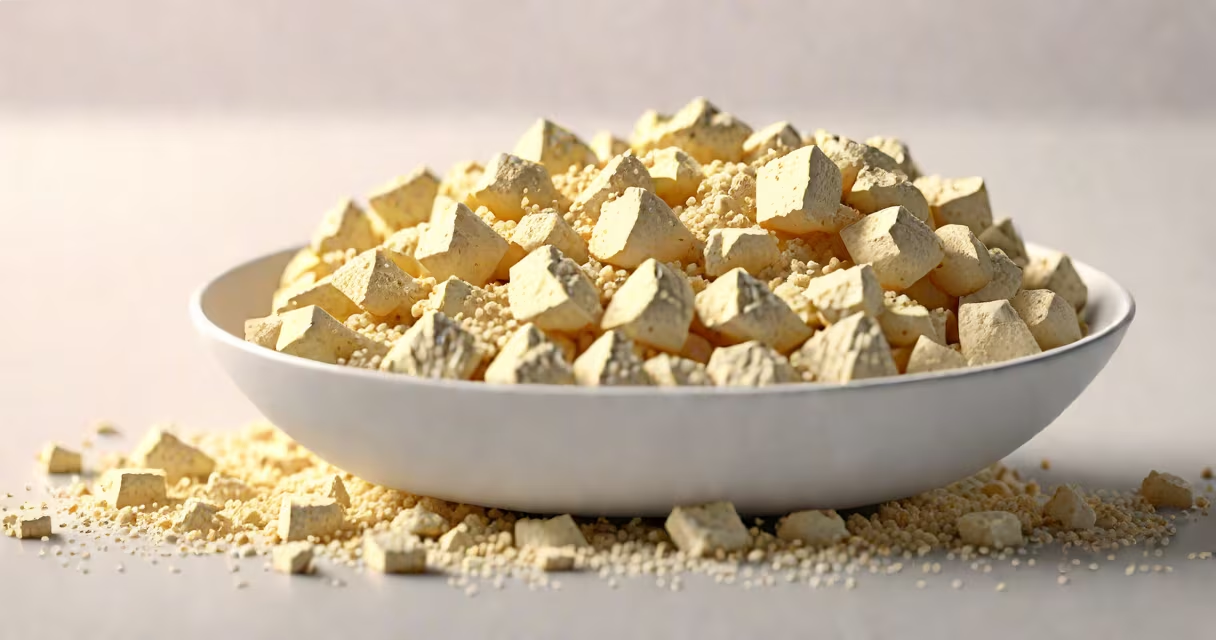
Modified potato starch is a processed form of potato starch whose properties have been altered through physical, enzymatic, or chemical treatments to improve its functionality in food products. Unlike regular potato starch, which thickens at high temperatures but breaks down under prolonged heat or acidic conditions, modified potato starch maintains its structure and performance in a wider range of cooking environments.
Modification involves treating native potato starch to improve its stability, solubility, and resistance to breakdown. Common methods include:
These processes alter the starch's molecular structure, making it more versatile in food applications. For example, modified potato starch can withstand freezing and thawing cycles, unlike regular potato starch, which becomes grainy when frozen.
| Type | Modification Method | Common Uses |
|---|---|---|
| Acid-modified | Treated with hydrochloric acid | Sauces, gravies, instant puddings |
| Enzyme-modified | Treated with enzymes like amylase | Low-fat products, gluten-free baked goods |
| Cross-linked | td>Treated with phosphorus oxychlorideCanned soups, baby food, dairy products | |
| Pre-gelatinized | Partially cooked | Instant mashed potatoes, ready-to-use gravies |
Modified potato starch is widely used in the food industry due to its improved performance. It acts as a thickener, stabilizer, or emulsifier in products like:
For example, in a canned soup, modified potato starch ensures the broth remains thick and smooth even after prolonged storage or reheating. In gluten-free bread, it helps mimic the texture of wheat-based products.
Many people confuse modified potato starch with regular potato starch or other starches like cornstarch. Here are key differences:
According to the U.S. Food and Drug Administration, modified food starches are generally recognized as safe (GRAS) when used appropriately.
When making homemade ice cream, adding modified potato starch to the mix helps prevent ice crystals from forming, resulting in a smoother texture. In contrast, regular potato starch would break down during the freezing process, leading to a grainy consistency.
I tested this firsthand by preparing two batches of ice cream-one with modified potato starch and another with regular potato starch. The batch with modified potato starch remained creamy even after several days in the freezer, while the other batch developed noticeable ice crystals.