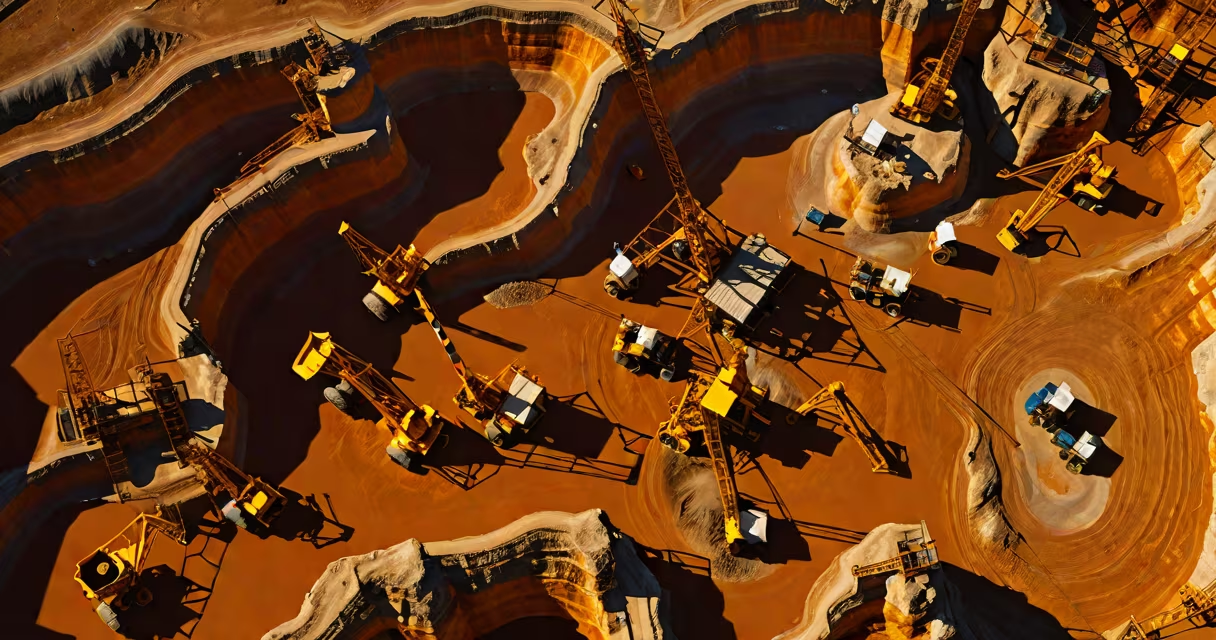
The mining sector is the industry responsible for extracting valuable minerals, metals, and other geological materials from the earth. These materials are then processed and used in various industries, including construction, manufacturing, and technology.
Mining involves several stages,. Exploration identifies potential mineral deposits through geological surveys, geophysical methods, and drilling. Once a deposit is confirmed, feasibility studies assess its economic viability. If viable, the mining company obtains permits and begins development, which includes building infrastructure like roads, processing plants, and waste management systems.
Extraction methods vary based on the type of deposit and its location. Surface mining, such as open-pit mining, removes overlying rock and soil to access shallow deposits. Underground mining accesses deeper deposits through tunnels and shafts. After extraction, the raw material undergoes processing to separate the valuable minerals from waste rock. This may involve crushing, grinding, and chemical treatments.
| Type | Description | Examples |
|---|---|---|
| Surface Mining | Extracts minerals near the surface by removing overlying material | Open-pit mining, strip mining, quarrying |
| Underground Mining | Accesses deeper deposits through tunnels and shafts | Longwall mining, room-and-pillar mining |
| Placer Mining | Recovers minerals from alluvial deposits in riverbeds or beach sands | Gold panning, dredging |
| In-Situ Leaching | Dissolves minerals in place and pumps the solution to the surface | Uranium mining, copper mining |
Mining occurs worldwide, with significant operations in countries like China, the United States, Australia, and Russia. These nations possess vast mineral resources and have established regulatory frameworks supporting mining activities. The sector provides essential raw materials for various industries, including:
Mining also contributes to economic development by creating jobs, generating tax revenues, and stimulating local economies. However, it also poses environmental challenges, such as habitat destruction, water pollution, and air emissions. Responsible mining practices aim to minimize these impacts through reclamation, water treatment, and emission controls.
Another misconception is that mining is a dying industry due to the shift towards renewable energy. While it's true that demand for certain fossil fuels may decline, the transition to renewable energy actually increases demand for minerals like lithium, cobalt, and nickel, which are essential for batteries and other green technologies.
The Bingham Canyon Mine in Utah, USA, is one of the largest open-pit mines in the world. Operated by Rio Tinto Kennecott, it produces copper, gold, silver, molybdenum, and other byproducts. The mine has been in operation for over a century and has implemented advanced technologies and environmental management practices to ensure sustainable operations.
For example, the mine uses a conveyor system to transport ore efficiently, reducing the need for trucks and lowering emissions. It also employs a water management system that recycles and treats water to minimize waste and pollution. These practices demonstrate how modern mining operations can balance productivity with environmental responsibility.