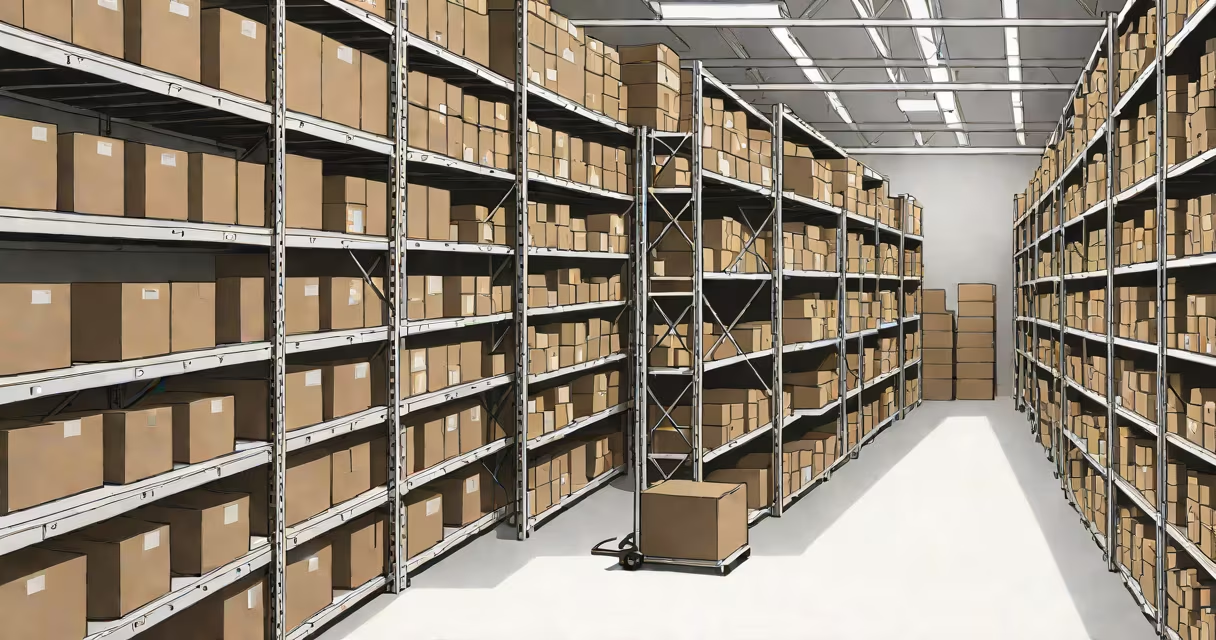
MRO inventory refers to supplies, equipment, and parts used for maintenance, repair, and operations-everything needed to keep facilities running smoothly but not directly tied to production. These items include lubricants, safety gear, cleaning supplies, and spare parts.
MRO stands for Maintenance, Repair, and Operations. Unlike direct materials used in production, MRO items support the infrastructure and workflows that enable manufacturing or service delivery. They're essential but often overlooked until they're urgently needed.
MRO inventory operates differently from production inventory. It's typically managed to ensure availability while minimizing excess stock. Businesses track usage patterns to replenish items just in time, avoiding overstocking or stockouts. For example, a factory might keep a buffer of spare belts for machinery but order them monthly rather than holding a year's supply.
Effective MRO management relies on accurate tracking systems. Many companies use barcode scanning or RFID to monitor stock levels. Some integrate MRO inventory software with their enterprise resource planning (ERP) systems for better visibility. According to a study by the Material Handling Institute, optimizing MRO inventory can reduce costs by up to 15%.
MRO inventory includes three broad categories:
| Category | Examples | Usage Frequency |
|---|---|---|
| Consumables | Lubricants, cleaning supplies, office supplies | High |
| Spare Parts | Machine components, electrical parts | Low to Medium |
| Tools & Equipment | Hand tools, diagnostic equipment | Medium |
Many businesses struggle with MRO inventory due to poor tracking or lack of standardization. A common mistake is treating MRO items like production inventory, leading to either excessive stockpiling or frequent stockouts. Another error is failing to categorize MRO items properly, which complicates restocking decisions.
For instance, a manufacturing plant might overstock safety gear because it's categorized under consumables instead of tools and equipment. This misclassification leads to unnecessary spending and wasted storage space. Proper classification helps items are ordered and stored correctly.
To improve MRO inventory, businesses should implement a few key strategies. First, standardize parts wherever possible to reduce variety and simplify procurement. Second, use data-driven forecasting to predict demand accurately. Third, establish a vendor-managed inventory (VMI) system for critical items to ensure timely replenishment.
I once worked with a company that reduced its MRO costs by 20% simply by switching to a VMI model for high-turnover items like lubricants and filters. The vendor handled restocking based on real-time usage data, eliminating the need for manual tracking.
Efficient MRO inventory management ensures business continuity by preventing unexpected downtime. Unplanned machine failures or supply shortages can halt production, leading to lost revenue. Properly managing MRO inventory minimizes these risks and keeps operations running smoothly.
Optimizing MRO inventory reduces waste and lowers costs. Excess stock ties up capital and storage space, while stockouts cause delays. Balancing these factors is key to maintaining efficiency without sacrificing readiness.