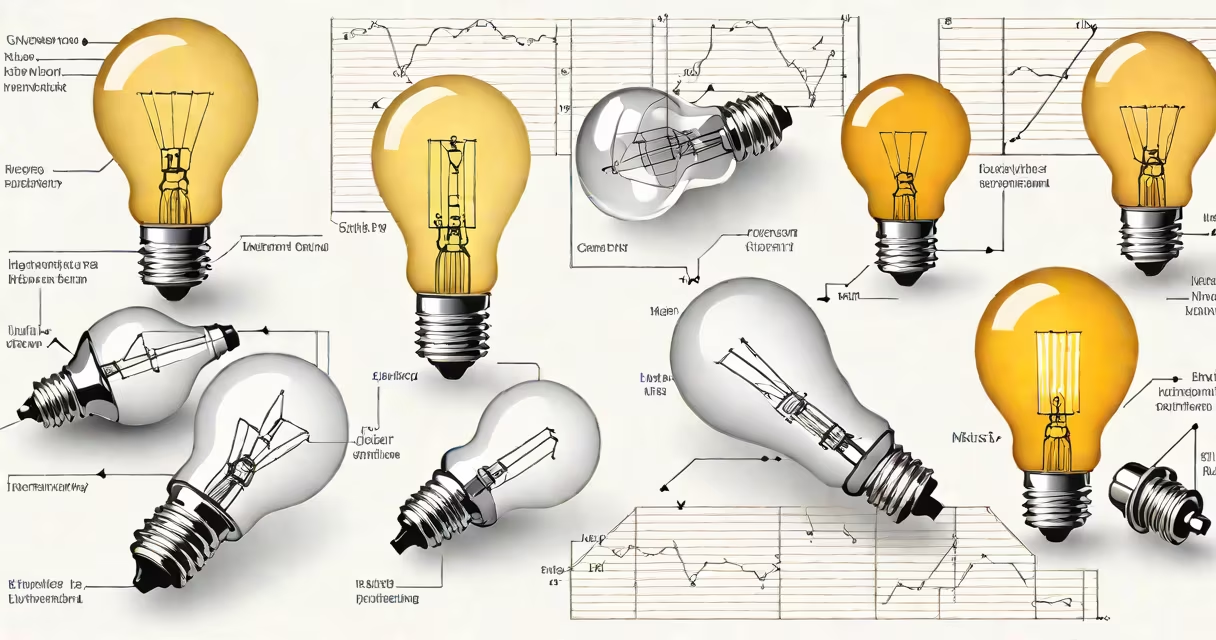
Energy efficiency compares technologies, habits, or systems that achieve the same output while consuming less energy. The most energy-efficient options often involve upgrading to modern appliances, adopting renewable energy sources, or making behavioral changes.
Energy efficiency reduces waste by using technology or practices that require less power. For example, LED light bulbs convert 95% of energy into light, compared to only 10% for incandescent bulbs. This difference translates to significant savings over time.
The most common types of energy-efficient solutions fall into three categories:
Energy efficiency impacts homes, businesses, and industries. In residential settings, upgrading to energy-efficient appliances and lighting can cut electricity bills by 20-30%. For businesses, energy-efficient HVAC systems and insulation reduce operational costs. Industries benefit from energy-efficient machinery, which lowers production expenses and carbon footprints.
Many people believe that energy-efficient products are expensive or ineffective. However, while the upfront cost may be higher, long-term savings outweigh initial investments. For instance, a solar panel system costs around $20,000 but pays for itself in 5-10 years through reduced energy bills and potential tax incentives.
Another misconception is that small changes, like turning off lights, don't make a difference. In reality, these habits add up. The U.S. Environmental Protection Agency estimates that if every American home replaced just one incandescent bulb with an LED, it would save enough energy to power 1.8 million homes for a year.
Consider a household replacing an old refrigerator with an ENERGY STAR-rated model. The older fridge might consume 1,700 kWh annually, while the new one uses only 450 kWh. At an average electricity rate of $0.13 per kWh, the annual savings would be $168. Over the appliance's 10-year lifespan, that's $1,680 in savings-enough to cover the cost of the new refrigerator and then some.
While energy efficiency focuses on using technology to reduce energy waste, energy conservation involves changing behaviors to use less energy. For example, turning off lights when leaving a room is conservation, while installing motion-sensor lights is efficiency. Both strategies work together to maximize savings.
Smart thermostats, like the Nest Learning Thermostat, adjust heating and cooling based on usage patterns. They can reduce energy consumption by up to 12% annually by ensuring HVAC systems run only when needed. This is particularly useful for households with variable schedules.
For those interested in optimizing energy levels beyond efficiency, see how to maintain energy levels.
Energy efficiency is a useful tool for reducing energy consumption, lowering costs, and protecting the environment. By understanding the options available and making informed choices, anyone can contribute to a more sustainable future.