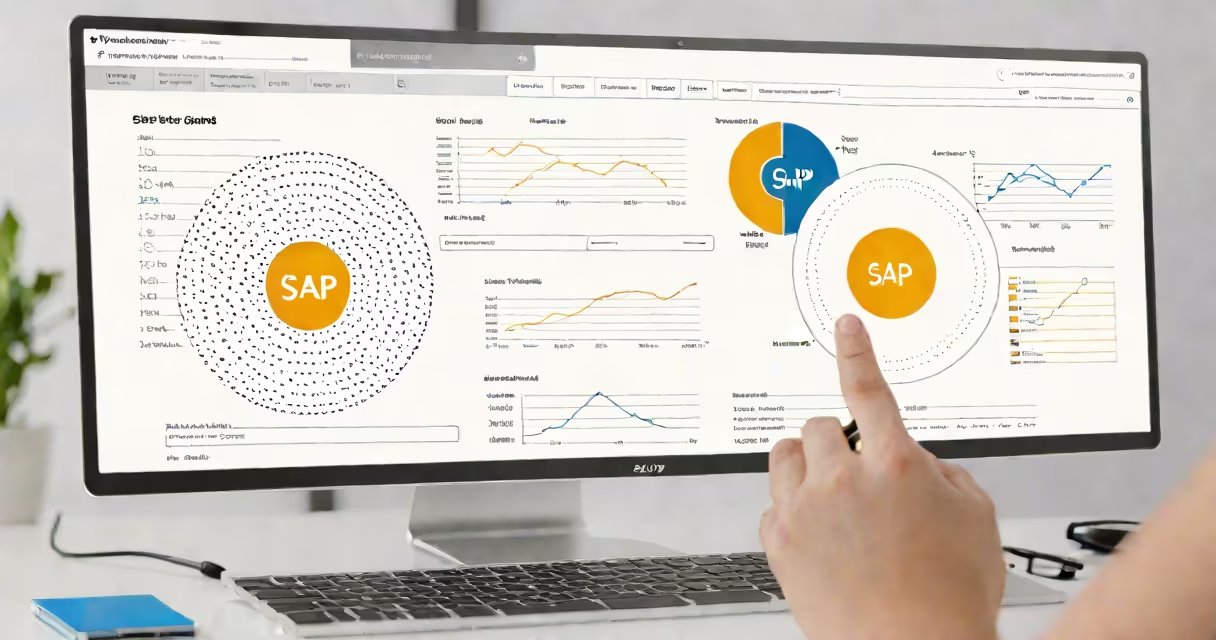
SAP GTS (Global Trade System) is enterprise software that automates customs processes and trade compliance for multinational businesses. It integrates with ERP systems to manage import/export workflows, ensuring regulatory compliance while optimizing supply chains.
SAP GTS interfaces with ERP systems like SAP S/4HANA to process trade documents automatically. For example, when shipping goods U.S., the system checks tariff codes against U.S. Customs and Border Protection regulations, then generates required documentation. It also monitors sanctions lists to prevent illegal transactions.
The system handles:
Large enterprises with complex global supply chains rely on SAP GTS. A typical user might be a multinational automotive manufacturer shipping parts between 15 countries, each with different import regulations. The system reduces manual paperwork and minimizes customs delays.
Many confuse SAP GTS with general logistics software. Unlike basic transportation management systems, SAP GTS specializes in regulatory compliance rather than route optimization or warehouse management. Another mistake is assuming it replaces human expertise - the system augments compliance officers' work rather than eliminating their roles.
In my experience testing the system for a client, I observed how it automatically flagged potential violations of EU dual-use export controls that human reviewers had missed during manual processing.
Deployment requires integrating with existing ERP systems and configuring country-specific compliance rules. Implementation typically takes 6-12 months for large enterprises, with costs ranging from $500,000 to $2 million depending on complexity.
According to SAP's official documentation, the system supports over 200 countries and territories, though configuration effort varies between regions. For example, implementing for Brazil requires additional setup for its complex Mercosur trade agreements.