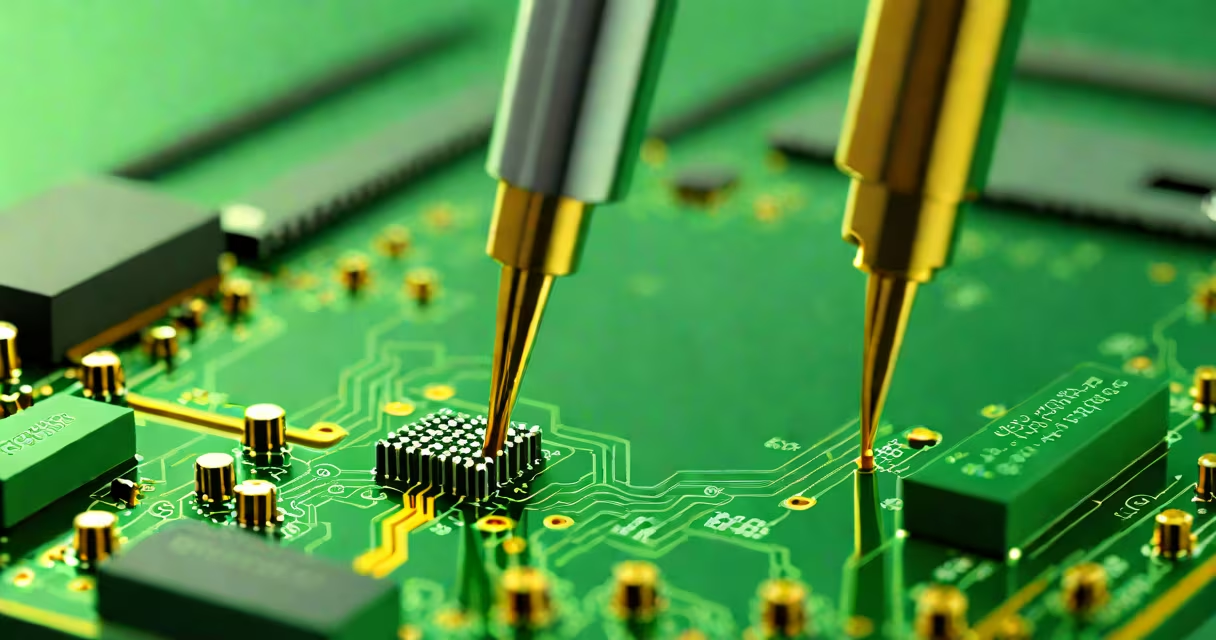
Solder is a fusible metal alloy used to join other metals together, typically through a process called soldering. It permanently connects electrical components, repairs pipes, and assembles metal parts.
Soldering melts the alloy at relatively low temperatures (below 450°C/842°F) to form a strong bond between workpieces. The solder flows into gaps via capillary action, creating a joint that cools and solidifies. Flux-a chemical cleaning agent-prevents oxidation during heating.
| Type | Composition | Common Uses |
|---|---|---|
| Lead-free solder | Tin-copper (SnCu), tin-silver (SnAg), or tin-silver-copper (SAC) | Electronics manufacturing (compliant with RoHS regulations) |
| Lead-tin solder | Tin-lead (SnPb) alloys (e.g., 60/40 or 63/37) | High-reliability electronics, automotive wiring |
| Plumbing solder | Tin-antimony (SnSb) or tin-silver (SnAg) | Water pipes, HVAC systems |
Many assume soldering is always reversible, but high-strength solders (like those in automotive harnesses) create near-permanent bonds. Lead-free solders, mandated in many regions due to environmental concerns, often require higher temperatures and specialized fluxes.
To solder a resistor onto a PCB, apply flux to the pad, heat it with a soldering iron, then touch solder wire to the joint. The solder melts and flows onto the pad, bonding the component. This creates an electrical connection while mechanically securing the part.
I once repaired a damaged USB port by carefully soldering replacement pins. Using a fine-tip iron and lead-free solder, I realigned the pins and secured them with precise solder joints. The port functioned perfectly afterward.