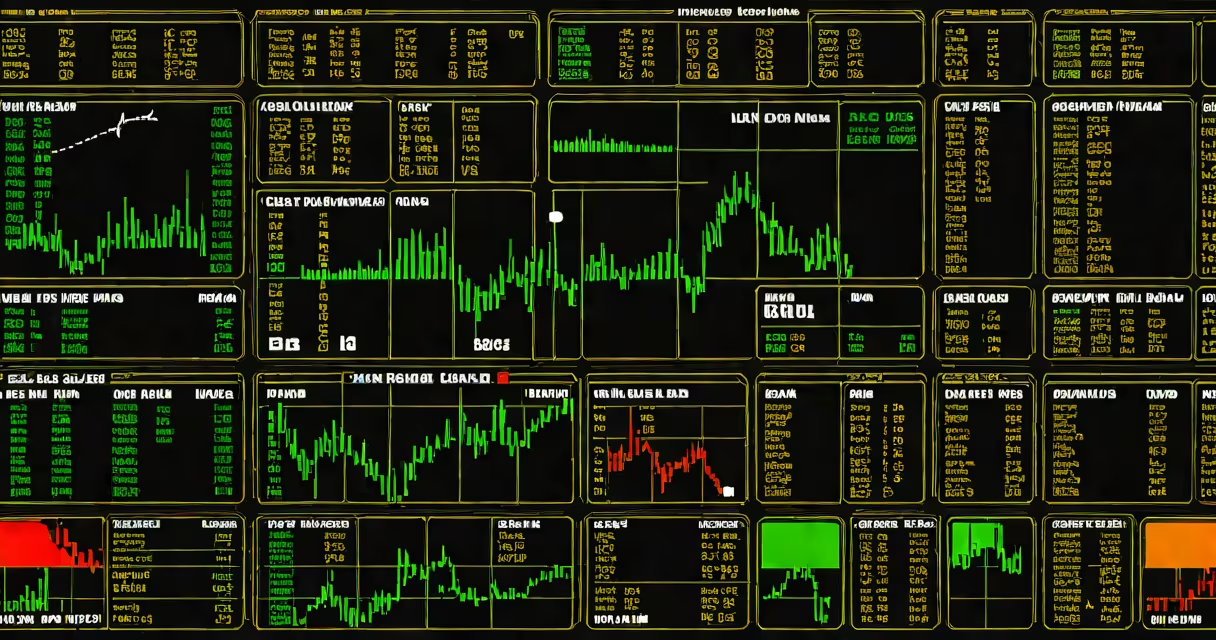
Stock quotes display current or recent prices of publicly traded company shares, including key metrics like volume and price changes. Investors use them to monitor market activity and execute trades.
Stock exchanges generate quotes through a continuous auction process where buyers and sellers submit orders. The exchange matches these orders, updating prices in real time. Electronic trading platforms disseminate this data to brokers, financial websites, and trading terminals.
Most quotes show the last traded price, but some platforms offer additional details like bid/ask spreads, 52-week highs/lows, and average trading volumes. For example, Yahoo Finance's stock quotes include charts, news, and analyst ratings alongside basic price data.
| Component | Description |
|---|---|
| Price | The most recent trading price of the stock |
| Change | The difference between the current price and the previous close |
| Volume | The number of shares traded during the current session |
| Bid/Ask | The highest price a buyer will pay and the lowest price a seller will accept |
| 52-Week High/Low | The highest and lowest prices the stock has reached in the past year |
Quotes fall into two main categories based on timing:
For instance, when viewing Amazon's stock quote, real-time subscribers see the current price instantly, while free users might see a 15-minute delay.
Many investors confuse stock quotes with other financial terms:
A 2023 study by the Securities and Exchange Commission found that 37% of retail investors misinterpreted delayed quotes as real-time data, potentially leading to poor trading decisions.
Investors rely on quotes for several critical functions:
Professional traders often use multiple quote sources to verify price data and ensure accuracy before making high-stakes decisions.
As an investor, I check quotes daily to monitor my positions. Recently, I noticed a sudden price drop in one of my holdings. By comparing the quote's volume data with historical averages, I identified the drop as an anomaly rather than a trend, allowing me to hold my position instead of panicking and selling.
While useful, quotes have limitations:
According to FINRA, 23% of trading errors among new investors result from misinterpreting or over-relying on stock quote data without additional context.