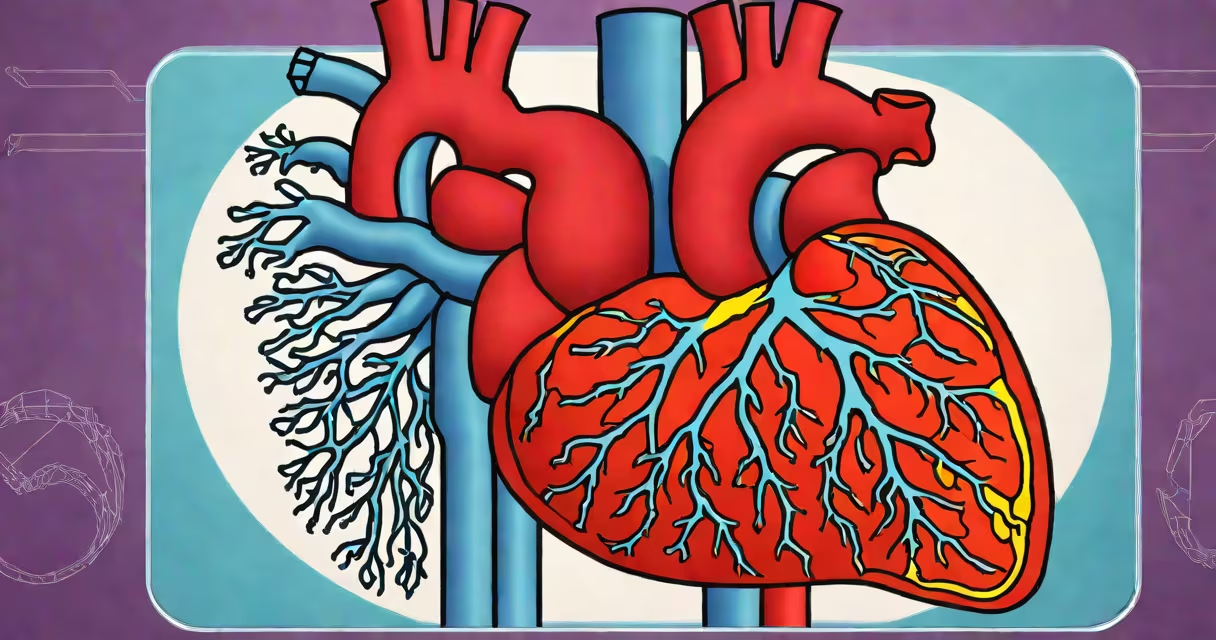
Stage 4 congestive heart failure, also called end-stage heart failure, occurs when the heart's pumping ability is severely impaired, leading to persistent symptoms even at rest. This is the final stage of heart failure, where medical intervention is critical.
The American Heart Association classifies heart failure into four stages (A-D), based on disease progression and symptoms. Stage 4 is the most severe, where the heart can't meet the body's demands even with treatment. Unlike earlier stages, symptoms like shortness of breath, fatigue, and fluid retention occur at rest, not just during activity.
Common symptoms include:
These symptoms result from the heart's inability to pump blood efficiently, causing fluid buildup in the lungs and other parts of the body.
Treatment focuses on managing symptoms, improving quality of life, and extending survival. Options include:
| Treatment Type | Description |
|---|---|
| Medications | Diuretics to reduce fluid retention, ACE inhibitors to lower blood pressure, beta-blockers to reduce heart strain, and aldosterone antagonists to balance electrolytes. |
| Devices | Implantable cardioverter-defibrillators (ICDs) to monitor heart rhythm and deliver shocks if needed, and ventricular assist devices (VADs) to help the heart pump blood. |
| Surgery | Heart transplant for eligible patients, or coronary artery bypass grafting (CABG) to improve blood flow. |
| Lifestyle Changes | Low-sodium diet, fluid restriction, regular exercise, and monitoring weight to detect fluid retention early. |
According to the American Heart Association, heart transplants are the only cure for end-stage heart failure, but they're only suitable for a small percentage of patients due to strict eligibility criteria.
Life expectancy varies widely based on health, treatment response, and underlying conditions. Without a transplant, the average survival rate is about 1 year, but some patients live longer with aggressive treatment and lifestyle changes.
Regular follow-ups with healthcare providers are important to adjust treatments and manage symptoms effectively.
Many people confuse stage 4 congestive heart failure with a heart attack. A heart attack is a sudden event where blood flow to the heart is blocked, while stage 4 heart failure is a chronic condition where the heart gradually loses its pumping ability over time.
Another misconception is that stage 4 heart failure always leads to immediate death. While it's severe, treatments can help manage symptoms and extend life.