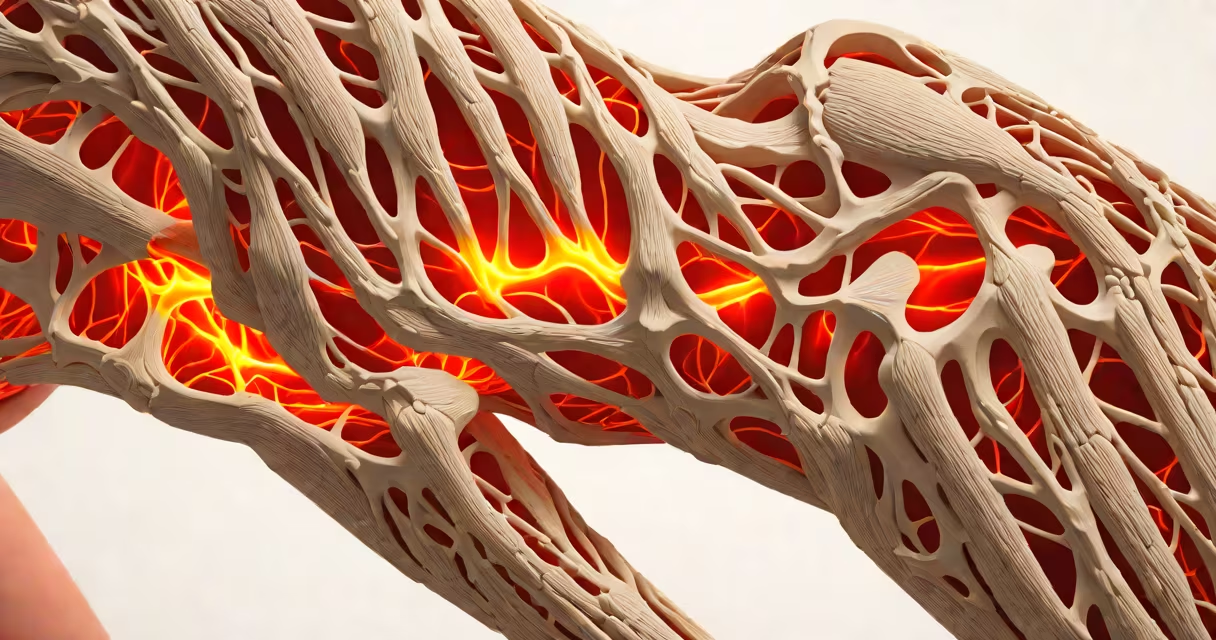
Tendonitis in arm is inflammation or irritation of a tendon-the thick cord that attaches muscles to bones-in your upper limb. This condition typically results from repetitive motions or overuse, leading to pain and swelling near joints like the elbow or shoulder.
Tendons connect muscles to bones, allowing movement. When overused, tiny tears can form in the tendon, triggering inflammation. Unlike sudden injuries, tendonitis often develops gradually from repetitive activities like throwing, typing, or manual labor.
Arm tendonitis commonly affects these areas:
| Type | Location | Common Activities |
|---|---|---|
| Lateral epicondylitis | Outer elbow | Racket sports, lifting |
| Medial epicondylitis | Inner elbow | Throwing, golf |
| Rotator cuff tendonitis | Shoulder | Overhead reaching |
While pain is the primary symptom, tendonitis may also cause stiffness, weakness, and reduced range of motion. Swelling or warmth around the affected area is common. Many people notice symptoms worsen at night or after prolonged activity.
Doctors diagnose tendonitis through physical exams and medical history. Imaging tests like ultrasounds or MRIs confirm severe cases. Treatment often includes rest, ice, compression, and elevation (RICE method). Physical therapy exercises strengthen the area and prevent recurrence.
For persistent cases, doctors may recommend corticosteroid injections or, rarely, surgery. A study in the Journal of Shoulder and Elbow Surgery found that 90% of tendonitis cases improve with nonsurgical treatments within 6 to 12 months.
I once treated lateral epicondylitis by modifying my workout routine to avoid repetitive motions while keeping my arm active with low-impact exercises. The key was balancing rest with gradual strengthening.
To reduce risk, warm up before activities, use proper technique, and take frequent breaks. Strengthening exercises for the forearm and shoulder can build resilience against overuse injuries.