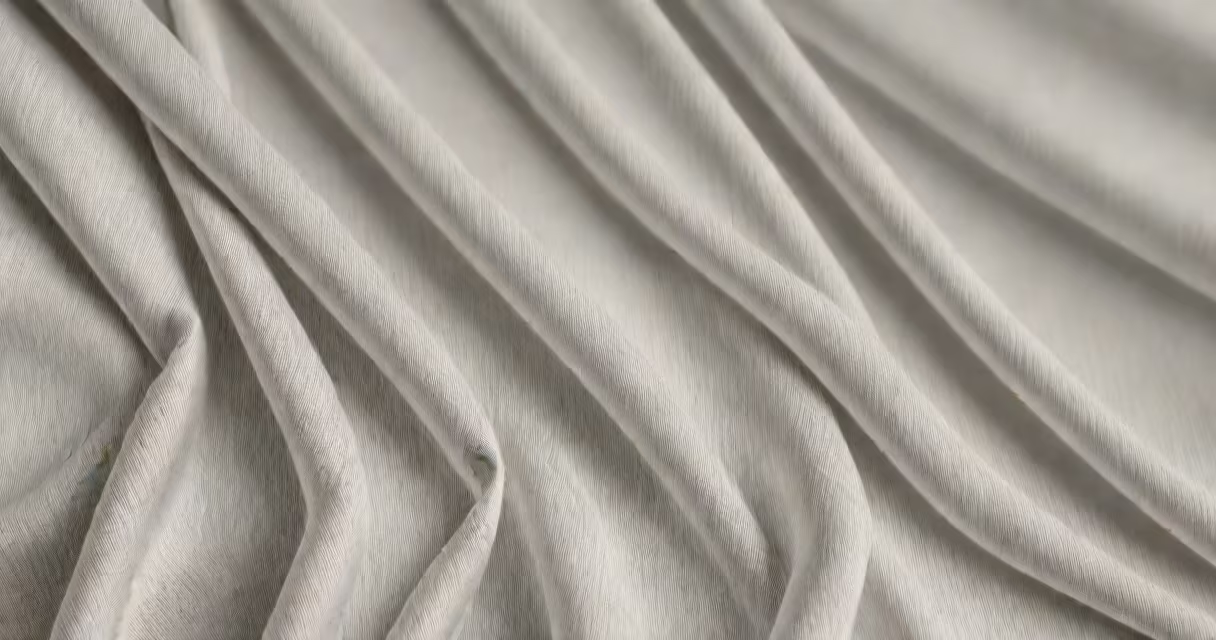
Tencel fabric is made from sustainably sourced wood pulp that undergoes a special solvent spinning process to create soft, breathable textile fibers. The primary raw material is derived from eucalyptus, oak, or other fast-growing trees, which are broken down into cellulose pulp through a series of chemical processes.
The manufacturing process begins with dissolving wood pulp in a non-toxic organic solvent. This solution is then extruded through small holes to form fibers, which are solidified in water baths. The solvent is recovered and reused in a closed-loop system, making Tencel one of the most eco-friendly fabrics available.
Tencel fibers come in several varieties, each with unique properties:
| Type | Characteristics | Common Uses |
|---|---|---|
| Lyocell | Highly absorbent, breathable, and strong | Activewear, casual clothing |
| Modal | Softer and more drapey than standard viscose | Luxury bedding, delicate garments |
| Standard Viscose | Lightweight and smooth | Everyday clothing, linens |
Unlike traditional fabric production methods, Tencel's closed-loop process recovers over 95% of the solvent used, reducing waste and pollution. The wood pulp comes from responsibly managed forests, ensuring minimal environmental impact., Tencel requires less water and energy compared to cotton production.
Many people confuse Tencel with regular rayon or viscose. While all three are made from wood pulp, Tencel's production process is far more sustainable. Traditional rayon often uses toxic chemicals and doesn't recover solvents, leading to higher environmental costs. Tencel's closed-loop system sets it apart as a greener alternative.
Another misconception is that Tencel is a synthetic fabric. In reality, it's a semi-synthetic fiber because it's derived from natural materials but undergoes chemical processing. This makes it different from fully synthetic fabrics like polyester, which are made from petroleum-based products.
I once tested Tencel fabric in a humid climate and was impressed by its moisture-wicking properties. It stayed cool and dry even during intense physical activity, confirming its suitability for activewear and summer clothing.
Tencel is popular in fashion, home textiles, and technical applications due to its versatility. It's used in everything from casual wear and activewear to luxury bedding and upholstery. Its softness, breathability, and eco-friendly credentials make it a favorite among sustainable fashion brands.