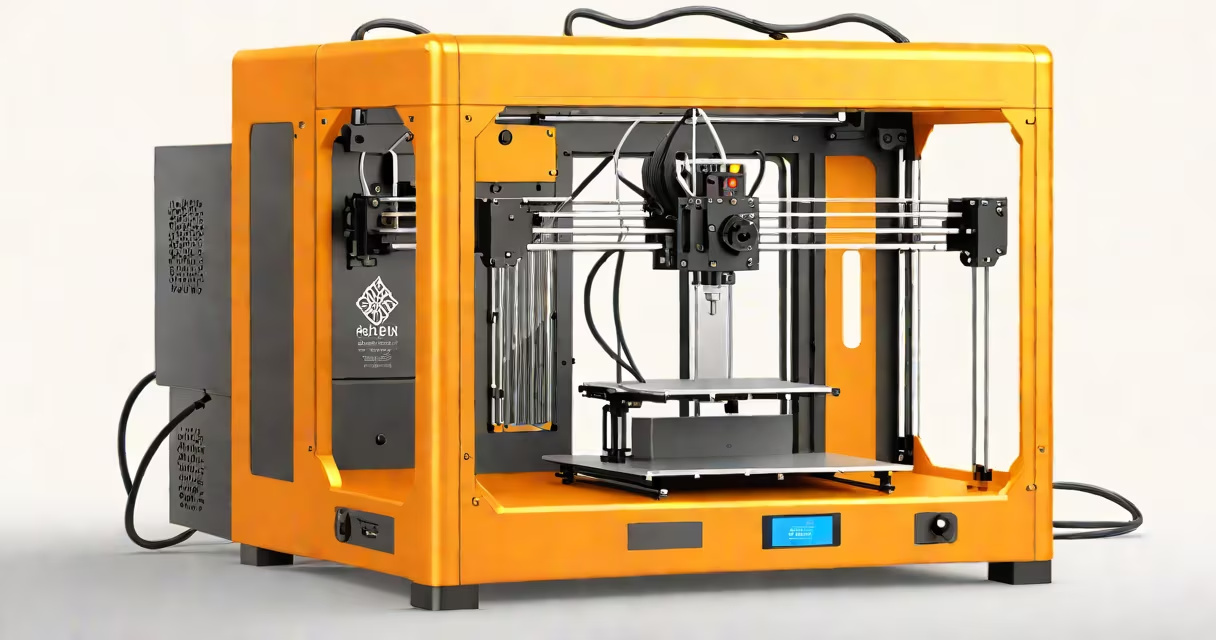
The best resin 3D printer for you depends on your priorities: speed, detail, or ease of use. These printers excel at high-resolution prints for miniatures, dental models, and prototypes.
Resin 3D printers use photopolymerization to harden liquid resin layer by layer. A light source (UV laser, LCD screen, or DLP projector) cures the resin where needed, building the model from the bottom up. This process creates extremely detailed prints with smooth surfaces.
| Type | Technology | Resolution | Speed |
|---|---|---|---|
| SLA (Stereolithography) | UV laser | High (25-100 microns) | Slow (minutes per layer) |
| LCD Resin | LCD screen | Medium (39-100 microns) | Fast (seconds per layer) |
| DLP (Digital Light Processing) | DLP projector | High (25-75 microns) | Medium (seconds per layer) |
Many assume resin printers are only for professionals, but affordable options exist for hobbyists. Another myth is that resin prints are always fragile-modern resins offer durability for functional parts., while resin printers require more post-processing (washing, curing), automated systems simplify this step.
For hobbyists, LCD resin printers like the Anycubic Photon Mono offer a balance of affordability and performance. Professionals may prefer SLA printers such as the Formlabs Form 3 for superior detail. If speed is critical, DLP printers like the Prusa SL1 deliver faster prints without sacrificing quality.
When selecting a resin printer, consider factors like build volume, software compatibility, and material options. Some printers support multiple resins, including flexible or high-temperature materials, expanding their versatility.
I tested the Elegoo Mars 3 for a project requiring detailed miniature figurines. Its LCD screen cured layers in just 2 seconds, completing prints overnight. The post-processing was straightforward, and the final models had crisp details and smooth surfaces.
While resin printers offer unmatched detail, they differ from SLS 3D printers, which use powdered material and a laser to fuse layers. SLS printers create stronger, more durable parts but lack the fine resolution of resin printers. For large, sturdy objects, filament-based FDM printers may be more practical.
The best resin 3D printer for you depends on your specific needs. If you prioritize detail and precision, invest in an SLA or DLP printer. For speed and affordability, an LCD resin printer is a solid choice. Always factor in post-processing requirements and material costs when making your decision.