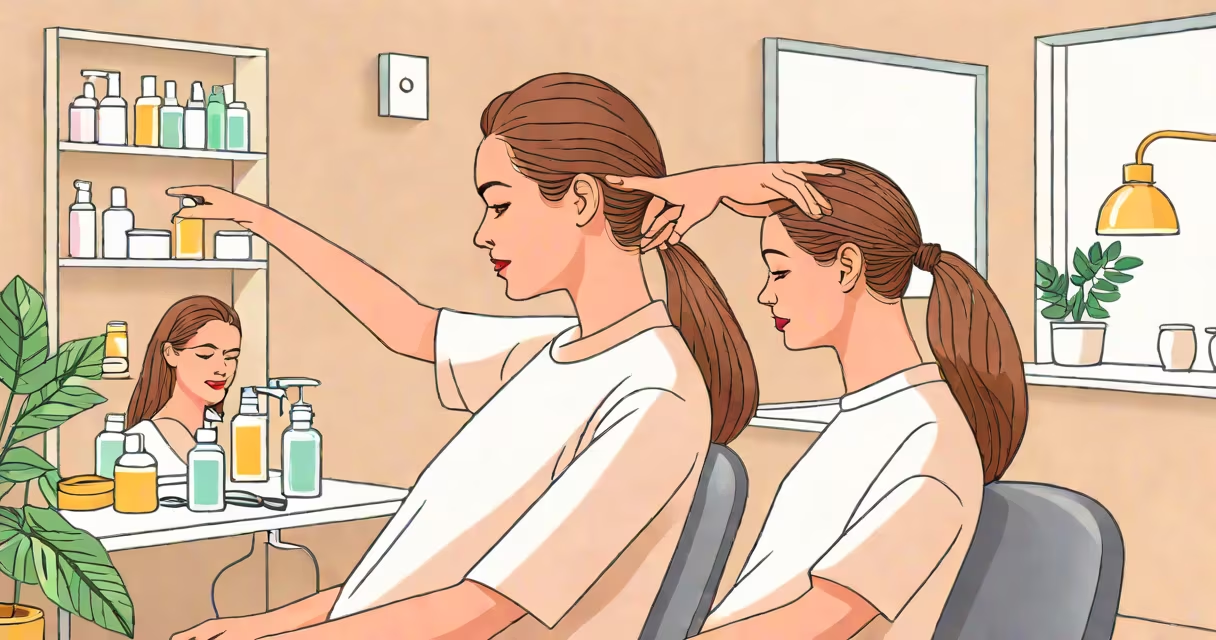
Thin hair results from aging, genetics, or health conditions. The best treatment combines medical solutions and styling adjustments to improve volume and strength.
Thinning hair often stems from a weakened hair shaft or reduced follicle activity. Treatments address these issues through topical applications, dietary changes, or professional procedures. For example, minoxidil (Rogaine) is an FDA-approved topical solution that stimulates hair growth by prolonging the anagen (growth) phase of the hair cycle.
Many assume that frequent washing causes thinning, but it's actually harsh shampoos or overbrushing that damages hair. Another myth is that thinning only affects men, but women account for 40% of cases of androgenetic alopecia, according to the American Academy of Dermatology.
I've seen this approach work firsthand while working at a salon. A client with fine hair struggled with volume. We recommended a keratin treatment to thicken each strand temporarily while she used minoxidil to stimulate growth. Her hair looked fuller within weeks.
If thinning persists despite lifestyle changes, consult a dermatologist. They can rule out underlying conditions like thyroid disorders or autoimmune diseases. Professionals also offer advanced treatments like PRP therapy, which injects concentrated platelets into the scalp to stimulate growth.