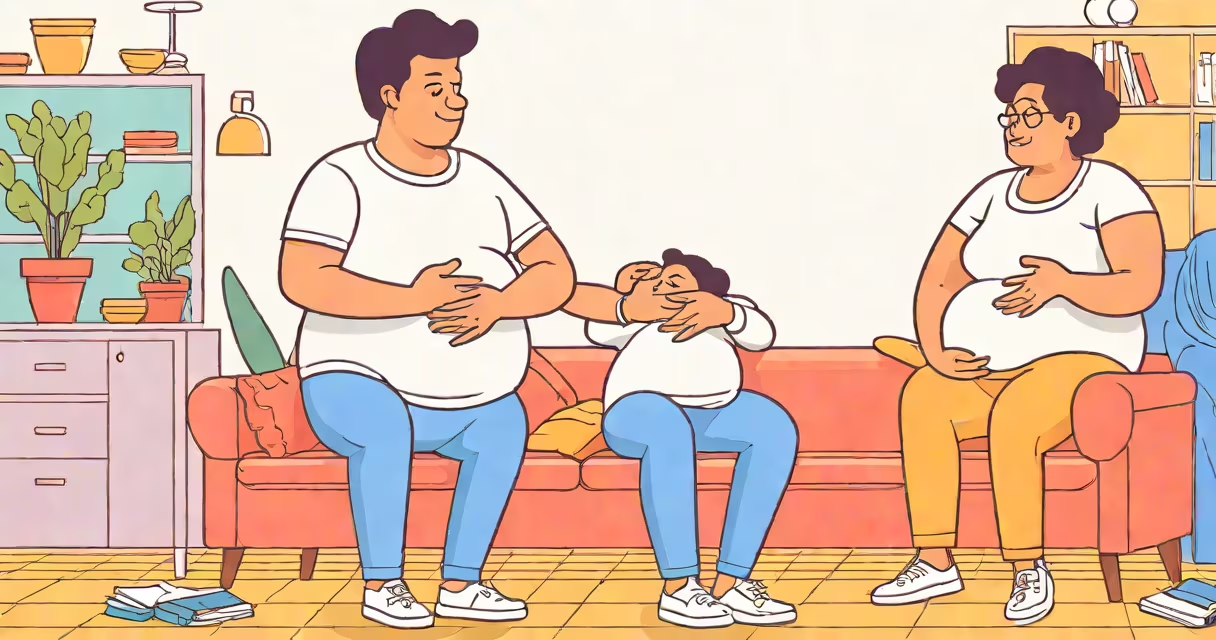
Feeling bloated happens when your abdomen fills with gas, fluid, or air, causing discomfort and swelling. This occurs due to gas buildup, digestive disorders, or food intolerances, among other factors.
Bloating occurs when the digestive system struggles to process food efficiently. This leads to gas buildup, slowed digestion, or water retention in the intestines. The stomach expands, creating pressure and discomfort.
The most common causes of bloating include:
Many people assume bloating is always caused by overeating or eating unhealthy foods. However, even small portions of certain foods-like beans, broccoli, or carbonated drinks-can trigger bloating due to their high fiber or fructose content. Stress and anxiety can also contribute by altering digestion.
Occasional bloating is normal, but persistent or severe bloating may indicate an underlying condition. If bloating is accompanied by weight loss, diarrhea, or blood in stool, consult a doctor. Chronic bloating could signal conditions like celiac disease or ovarian cancer.
For immediate relief, try walking, drinking peppermint tea, or taking over-the-counter antacids. To prevent bloating, eat slowly, avoid chewing gum, and identify food triggers. If symptoms persist, consider keeping a food diary to track patterns.