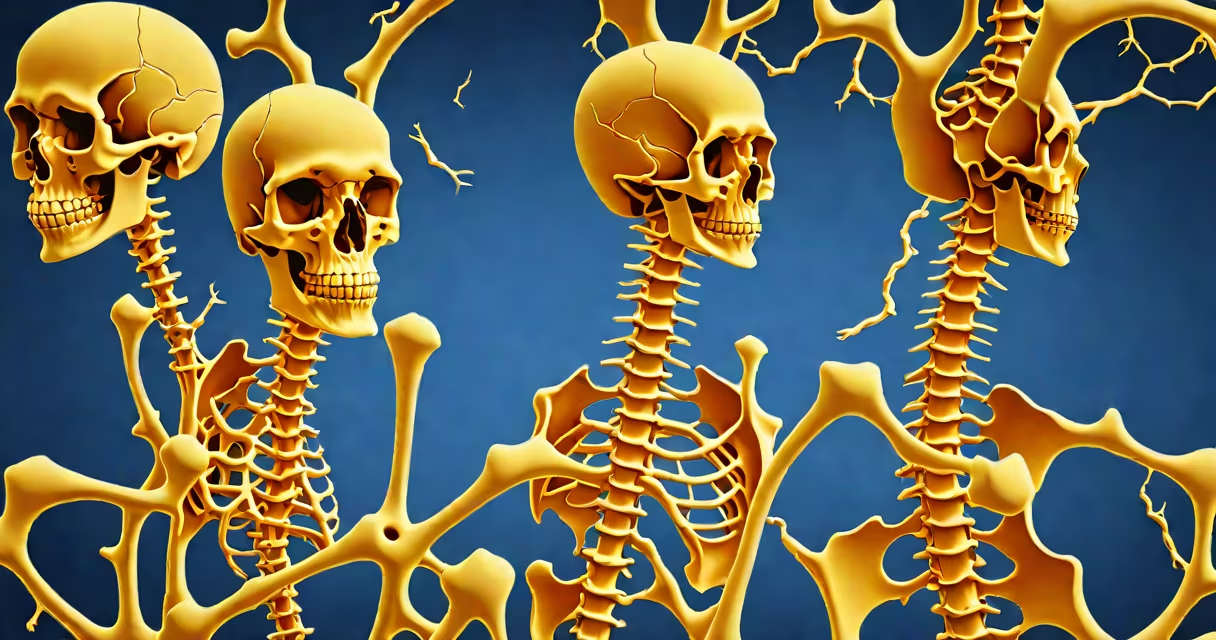
Osteoporosis is a bone disease characterized by low bone mass and deterioration of bone tissue, leading to increased fracture risk. It occurs when bone loss outpaces bone formation, weakening the skeletal structure.
Bones constantly renew through a process called remodeling, where old bone is removed and new bone is created. Osteoporosis disrupts this balance, causing bones to become porous and fragile. The National Institute of Arthritis and Musculoskeletal and Skin Diseases notes that bone density peaks around age 30, then gradually declines.
Osteoporosis falls into two primary categories:
| Type | Description |
|---|---|
| Primary Osteoporosis | Occurs due to aging and hormonal changes, most common in postmenopausal women |
| Secondary Osteoporosis | Caused by chronic conditions or medications (e.g., steroids, chemotherapy) |
Many people confuse osteoporosis with osteoarthritis, another bone-related condition. Unlike osteoarthritis, which involves joint degeneration, osteoporosis specifically affects bone density and strength. A common myth is that only elderly people develop osteoporosis, but it can affect younger individuals, particularly those with certain medical conditions or lifestyle factors.
Preventive measures include consuming calcium-rich foods, engaging in weight-bearing exercises, and avoiding smoking. Treatments may involve medications like bisphosphonates, which slow bone loss. The National Osteoporosis Foundation recommends regular bone density screenings for at-risk individuals.
I once worked with a patient who had undiagnosed osteoporosis until a minor fall resulted in a fractured wrist. This experience highlighted the importance of early detection and preventive care. Regular exercise and a balanced diet can reduce the risk of developing osteoporosis.
Understanding what osteoporosis is and how it progresses is important for maintaining bone health. Early intervention and lifestyle adjustments can mitigate its effects and improve quality of life.