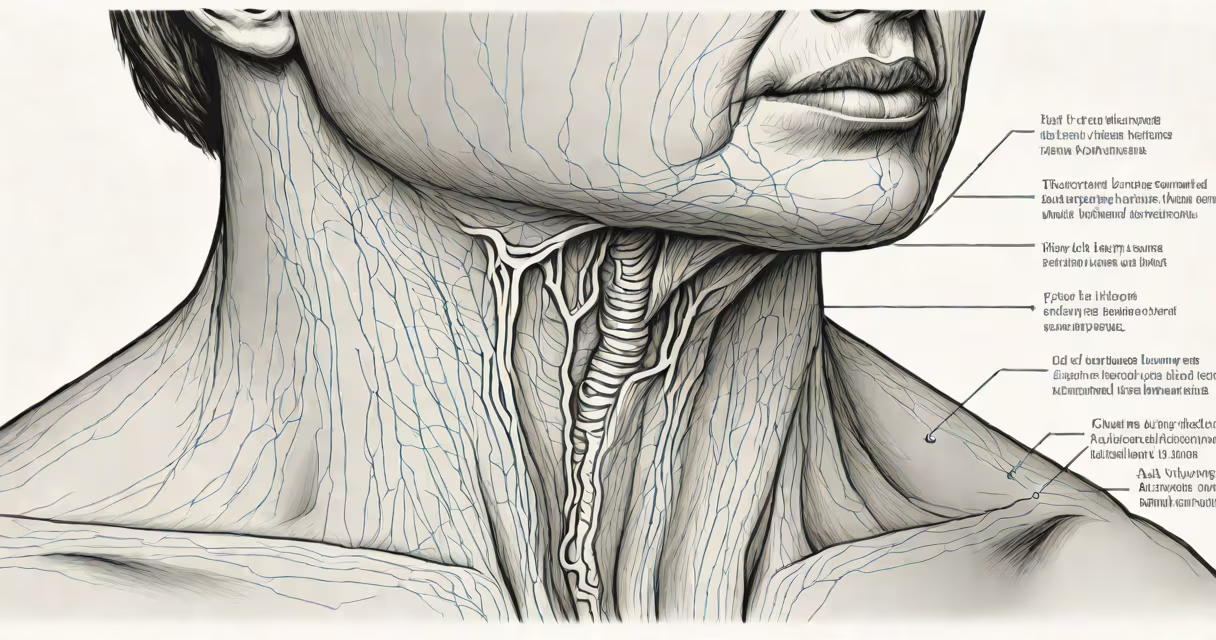
Hyperthyroidism occurs when your thyroid gland produces too much thyroid hormone, accelerating your metabolism. This condition affects multiple body systems, causing symptoms ranging from weight loss to heart palpitations.
The thyroid gland, located in the neck, releases hormones that regulate metabolism. In hyperthyroidism, this process becomes overactive, leading to excessive hormone production. The most common cause is Graves' disease, an autoimmune disorder that triggers the thyroid to overproduce hormones. Other causes include thyroid nodules and inflammation.
| Type | Cause | Prevalence |
|---|---|---|
| Graves' Disease | Autoimmune disorder | 70% of cases |
| Toxic Nodular Goiter | Non-cancerous thyroid growths | 15% of cases |
| Thyroiditis | Inflammation of the thyroid | 10% of cases |
| Excessive Iodine Intake | High iodine levels | Rare |
Symptoms vary but often include rapid weight loss, increased appetite, anxiety, irritability, tremors, sweating, sensitivity to heat, and fatigue. Heart-related symptoms such as irregular heartbeat, rapid pulse, and high blood pressure are also common. Women may experience lighter or less frequent menstrual periods.
Doctors diagnose hyperthyroidism through blood tests measuring thyroid hormone levels, thyroid-stimulating hormone (TSH) levels, and thyroid antibodies. Imaging tests like ultrasounds or radioactive iodine scans may also be used. Treatment options include anti-thyroid medications, radioactive iodine therapy, and surgery to remove part or all of the thyroid gland.
If you suspect you have hyperthyroidism, consult a healthcare provider for proper diagnosis and treatment. Early intervention can prevent complications such as heart problems, brittle bones, and eye problems. For more information on identifying symptoms, see our guide on recognizing hyperthyroidism signs.
Another misconception is that hyperthyroidism only affects older adults. While it is more common in women aged 20 to 40, it can affect anyone, including men and children. Recognizing the symptoms early is important for effective management and treatment.
Understanding the effects of hyperthyroidism is the first step toward managing this condition. With proper medical advice and treatment, individuals can lead healthy lives despite the challenges posed by an overactive thyroid.