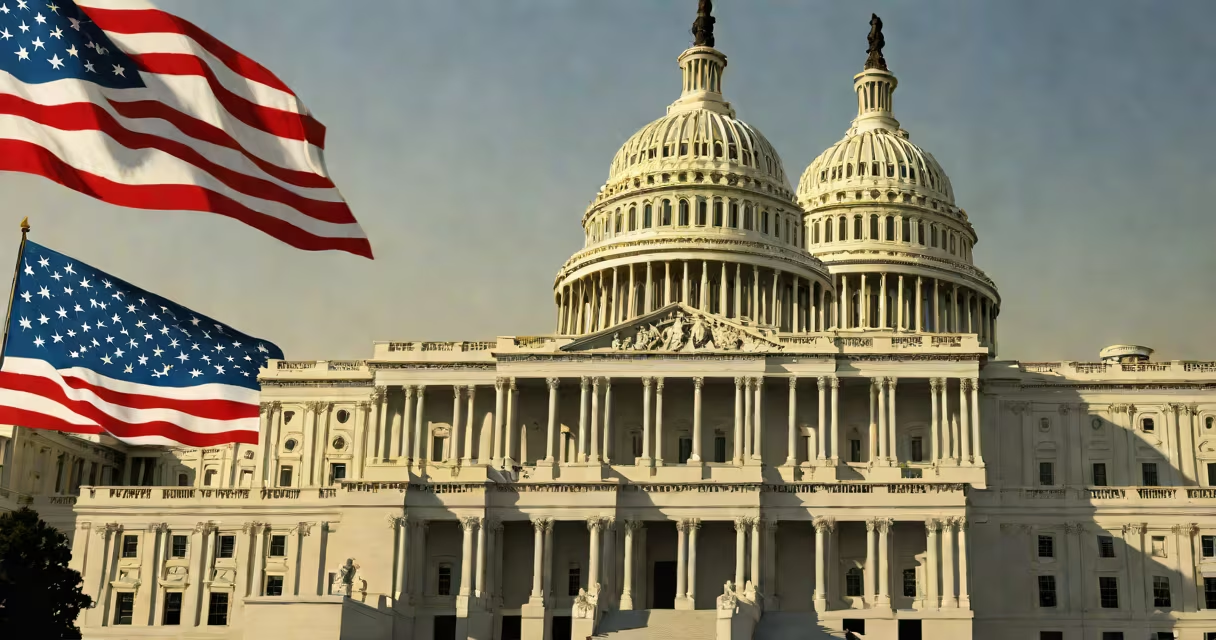
The federal government oversees national defense, foreign affairs, interstate commerce, and federal laws. These responsibilities stem from the U.S. Constitution, which grants specific powers to the federal level while reserving others for states.
The federal government handles matters that require nationwide coordination or affect multiple states. This includes:
The federal government operates through three branches: legislative, executive, and judicial. Each branch has distinct roles and responsibilities:
| Branch | Key Functions |
|---|---|
| Legislative (Congress) | Makes laws, declares war, approves treaties, and controls federal spending. |
| Executive (President and agencies) | Enforces laws, commands the military, negotiates treaties, and appoints federal judges. |
| Judicial (Supreme Court and federal courts) | Interprets laws, reviews constitutionality, and resolves legal disputes. |
Many people confuse federal and state responsibilities. For example, education is primarily a state function, though the federal government provides funding and sets standards. Similarly, law enforcement is mostly handled by state and local agencies, with the federal government focusing on federal crimes like tax evasion or interstate drug trafficking.
Another misconception is that the federal government manages all infrastructure. While it funds major projects like interstate highways, maintenance and local roads are typically state and local responsibilities.
During the COVID-19 pandemic, the federal government took charge of distributing vaccines nationwide, coordinating with states to ensure equitable access. This required federal oversight due to the scale and cross-state implications of the crisis.
I recall seeing federal agencies like the Centers for Disease Control and Prevention (CDC) and the Department of Health and Human Services (HHS) working closely with state health departments to manage vaccine rollouts. This collaboration highlighted the federal government's role in public health emergencies.
The federal government's responsibilities ensure consistency and unity across the nation. Without federal oversight in areas like national defense or interstate commerce, the U.S. would face significant challenges in maintaining security and economic stability.