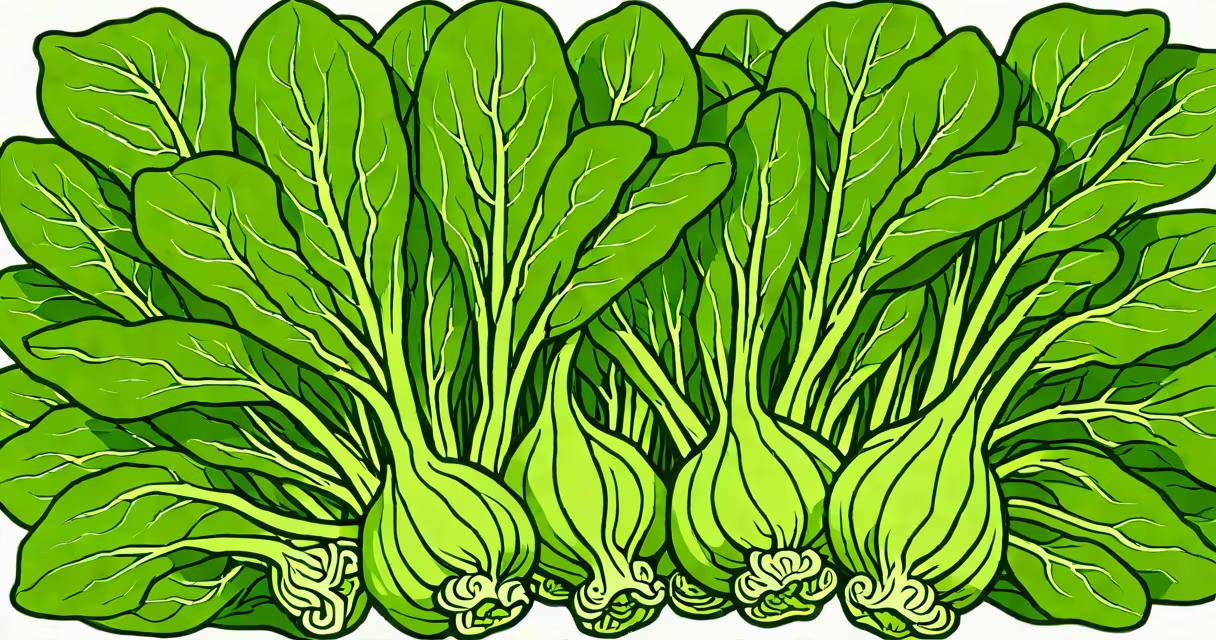
Pechay is called different names depending on the region. In the Philippines, it's universally known as pechay, while in China and other parts of the world, it's referred to as bok choy. The term "Chinese cabbage" is a broad category that includes both pechay and napa cabbage, another popular variety.
There are several varieties of pechay, each with slight differences in appearance and taste:
| Type | Description | Common Use |
|---|---|---|
| Baby bok choy | Small, tender, and mild-flavored | Stir-fries, soups |
| Regular bok choy | Larger, with thicker stalks and darker leaves | Stews, braised dishes |
| Napa cabbage | Long, oval-shaped leaves | Kimchi, salads |
Pechay is a staple in many Asian countries, particularly in Chinese, Filipino, and Vietnamese cuisines. It's used in different dishes due to its versatility and mild flavor. In the Philippines, pechay is often stir-fried with garlic and soy sauce, making it a common side dish. In China, bok choy is used in soups, stews, and even dim sum dishes.
One common misconception is that pechay and napa cabbage are the same. While they belong to the same family, they have distinct differences. Napa cabbage has longer, oval-shaped leaves, whereas pechay (bok choy) has a more compact structure with thicker stalks and darker leaves.
In the Philippines, pechay is a key ingredient in many dishes. For example, "ginisang pechay" is a simple stir-fry dish made with pechay, garlic, and soy sauce. The vegetable is quickly cooked to retain its crisp texture and mild flavor. Another popular dish is "sinigang," a sour soup where pechay is added last to preserve its freshness.
I once tried making ginisang pechay at home. I used baby bok choy for a sweeter taste and stir-fried it with minced garlic and a splash of soy sauce. The result was a delicious side dish that paired well with steamed rice and grilled fish.
Understanding the English of pechay helps bridge culinary cultures. Whether you call it pechay or bok choy, this versatile vegetable is a nutritious addition to any meal. Its mild flavor and crisp texture make it a favorite in many Asian dishes, and its ease of preparation makes it accessible for home cooks worldwide.