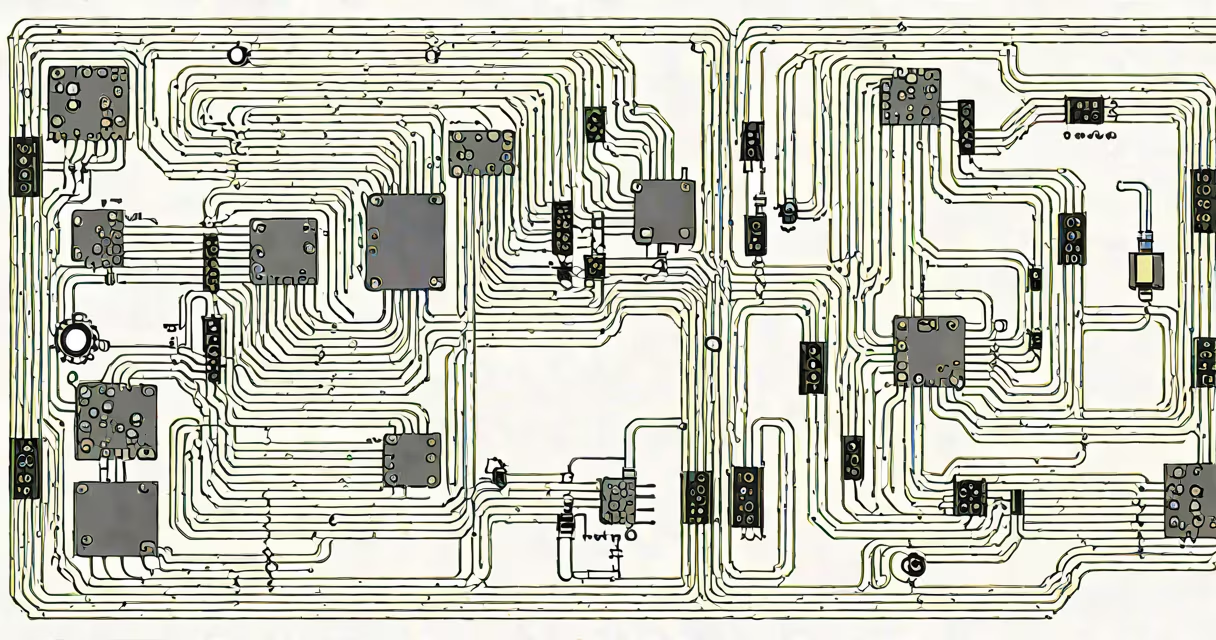
Electricity is the flow of electrons through a conductor, creating energy to power devices. This movement generates electrical current, measured in amperes, which provides the energy needed for everything from lighting homes to operating computers.
Electricity arises from the movement of charged particles, typically electrons. When these particles move through a conductor like copper wire, they create an electrical current. This current can be harnessed to power various devices. The flow of electrons is driven by a difference in voltage, measured in volts, between two points in a circuit.
For example, a battery provides voltage that pushes electrons through a wire to a light bulb, causing it to glow. The amount of current flowing depends on the resistance of the conductor, measured in ohms. Higher resistance reduces the flow of electrons, while lower resistance allows more electrons to pass through.
| Type | Description | Examples |
|---|---|---|
| Static Electricity | Build-up of electric charge on the surface of objects | Shocks from touching a doorknob, balloon sticking to hair |
| Current Electricity | Flow of electric charge through conductors | Powering household appliances, charging phones |
| Alternating Current (AC) | Electric current that periodically reverses direction | Household power outlets, power grids |
| Direct Current (DC) | Electric current that flows in one direction | Batteries, solar panels, electronic devices |
Electricity powers nearly every aspect of modern life. Homes rely on it for lighting, heating, cooling, and operating appliances. Businesses use it for machinery, computers, and communication devices. Industries depend on electricity for manufacturing processes, automation, and safety systems.
Electricity is also important for transportation, powering electric vehicles and public transit systems. In healthcare, it operates medical equipment and supports life-saving technologies. Even in agriculture, electricity drives irrigation systems, refrigeration, and processing equipment.
One non-obvious use of electricity is in water treatment. Electrical currents can purify water by breaking down contaminants and killing harmful bacteria. This process, known as electrolysis, is used in various water purification systems to ensure clean drinking water.
Many people confuse electricity with magnetism, though they are related phenomena. Electricity involves the flow of electrons, while magnetism arises from the spin of electrons. The interaction between electricity and magnetism forms the basis of electromagnetic theory, which is fundamental to many technologies.
Another common mistake is thinking that electricity is only produced by power plants. In reality, electricity can be generated in various ways, including solar panels, wind turbines, and even kinetic energy from human movement. These alternative methods are becoming increasingly important as the world shifts towards renewable energy sources.
I once witnessed a fascinating demonstration of electricity in action during a visit to a renewable energy expo. A small wind turbine, no larger than a desk fan, was connected to a battery. As the turbine spun, it generated enough electricity to power a small light bulb. This simple example showed how easily electricity can be harnessed from natural sources.
Understanding the meaning of electricity helps us appreciate its role in powering our daily lives. From the basic flow of electrons to the complex systems that distribute electrical power, electricity is essential for modern living. By learning about its types, uses, and the science behind it, we can better use this important resource and explore new ways to generate and conserve it.
More on this More on this More on this