Well water smells like sulfur because of hydrogen sulfide gas, which forms when sulfate in water interacts with organic matter and certain bacteria. This creates a rotten egg odor, even if the water is safe to drink.
Hydrogen sulfide (H₂S) is a colorless gas that smells like rotten eggs. It forms when sulfur-reducing bacteria break down sulfate compounds in water. These bacteria thrive in low-oxygen environments, like deep underground aquifers that feed wells.
The process starts with sulfate (SO₄²⁻), a common compound in groundwater. When bacteria consume organic matter, they convert sulfate into hydrogen sulfide. The gas dissolves in water, giving it that distinctive odor.
| Cause | Description | Solution |
|---|---|---|
| Sulfate-reducing bacteria | Bacteria break down sulfate, releasing hydrogen sulfide. | Shock chlorination kills bacteria. |
| Decaying organic matter | Leaves, roots, or other organic material in the well decompose. | Clean the well and remove debris. |
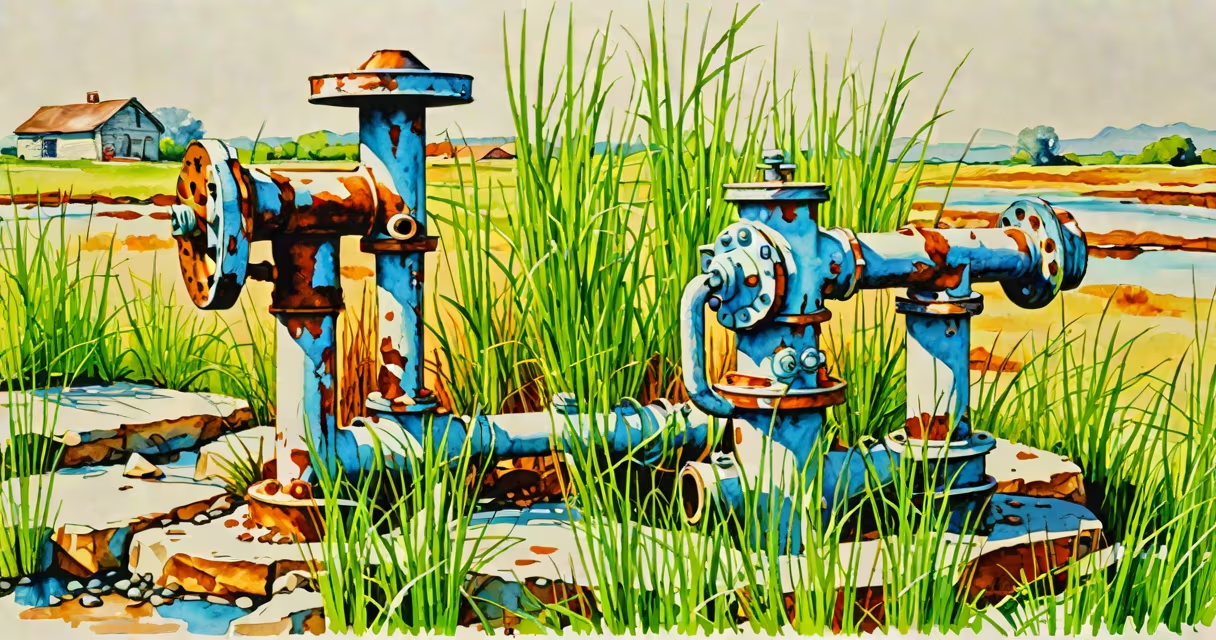
| Corroded well components | Rust or decay releases sulfur compounds. | Replace corroded parts. |
Most cases come from harmless bacteria, but corrosion can also release sulfur compounds. If the smell persists after cleaning, test the water for contaminants.
Hydrogen sulfide is mostly unpleasant, not dangerous. Low levels (below 1 ppm) are harmless, but high levels (above 100 ppm) can cause nausea, dizziness, or headaches. The U.S. Environmental Protection Agency (EPA) sets a recommended limit of 0.05 ppm for drinking water.
If the smell is strong, test the water. Some home test kits detect hydrogen sulfide, but professional testing is more accurate. The EPA recommends testing private wells annually for bacteria, nitrates, and other contaminants.
For mild odors, shock chlorination kills bacteria and clears the smell. Pour chlorine bleach into the well, circulate it through the plumbing, and flush it out. This may need repeating if bacteria return.
For persistent smells, install a water treatment system. Activated carbon filters absorb hydrogen sulfide, while oxidation systems convert it into harmless sulfur. A professional plumber can recommend the best option based on water tests.
If corrosion is the issue, replace rusted pipes or well components. Galvanized steel or plastic pipes resist corrosion better than older materials.
If cleaning and filtering don't work, call a well-drilling contractor. They can inspect the well, check for cracks or contamination, and recommend repairs. A professional can also test for other contaminants, like iron or manganese, which can worsen sulfur smells.
In rare cases, sulfur smells come from nearby sewage or industrial waste. If the smell is sudden or unusually strong, contact local environmental authorities to investigate.
I once helped a neighbor whose well water smelled like sulfur. We tried shock chlorination first, but the smell returned within weeks. A professional inspection revealed corroded pipes, which we replaced. The water was clear and odor-free afterward.
Well water smells like sulfur due to hydrogen sulfide gas, usually from harmless bacteria. While it's rarely dangerous, fixing the smell improves water quality and taste. Regular well maintenance and testing prevent future issues.