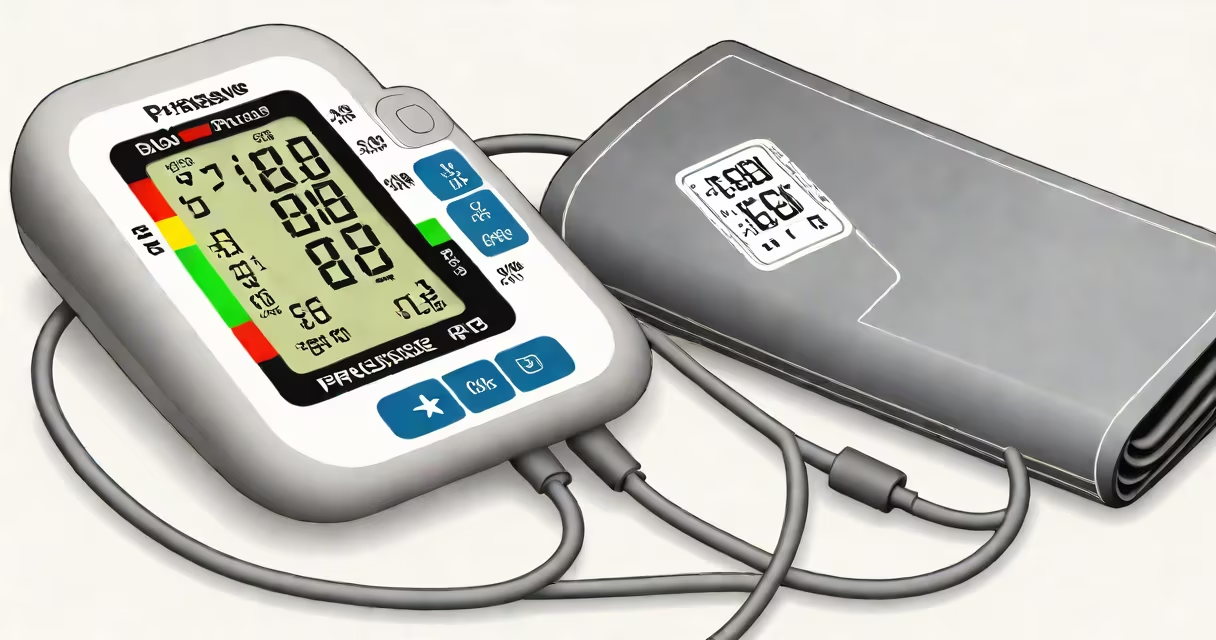
For most adults, a healthy blood pressure range is between 90/60 mmHg and 120/80 mmHg. This range indicates optimal cardiovascular function and reduces risks of heart disease, stroke, and other complications.
Blood pressure measures the force of blood against artery walls during heartbeats (systolic) and between beats (diastolic). The American Heart Association notes that consistent readings above 120/80 mmHg may indicate hypertension, while readings below 90/60 mmHg could signal hypotension.
| Category | Systolic (mmHg) | Diastolic (mmHg) |
|---|---|---|
| Normal | 90-120 | 60-80 |
| Elevated | 120-129 | 80-89 |
| Hypertension Stage 1 | 130-139 | 80-89 |
| Hypertension Stage 2 | 140+ | 90+ |
| Hypotension | Below 90 | Below 60 |
Consistently high blood pressure damages arteries and organs over time, increasing risks of heart attacks, strokes, and kidney disease. Conversely, persistently low blood pressure can cause dizziness, fainting, and insufficient blood flow to important organs. The Mayo Clinic emphasizes that maintaining a healthy blood pressure range is important for long-term health.
Many people assume that only high blood pressure is dangerous, but low blood pressure can also lead to serious health issues., blood pressure fluctuates naturally throughout the day due to activity levels, stress, and even posture. A single high reading doesn't necessarily indicate hypertension; consistent measurements over time are more reliable indicators.
Consider a 45-year-old individual who visits their doctor for a routine checkup. Their blood pressure readings over three consecutive visits are 132/85 mmHg, 135/87 mmHg, and 138/89 mmHg. These readings fall within the hypertension stage 1 range. The doctor might recommend lifestyle changes such as increased physical activity, a balanced diet, and stress management techniques to lower these readings to a healthier range.
I once monitored my blood pressure daily for a month using a home monitoring device. My readings varied between 110/70 mmHg and 125/80 mmHg depending on my activity level and sleep quality. This experience reinforced the importance of regular monitoring and maintaining a healthy lifestyle to keep blood pressure within the optimal range.