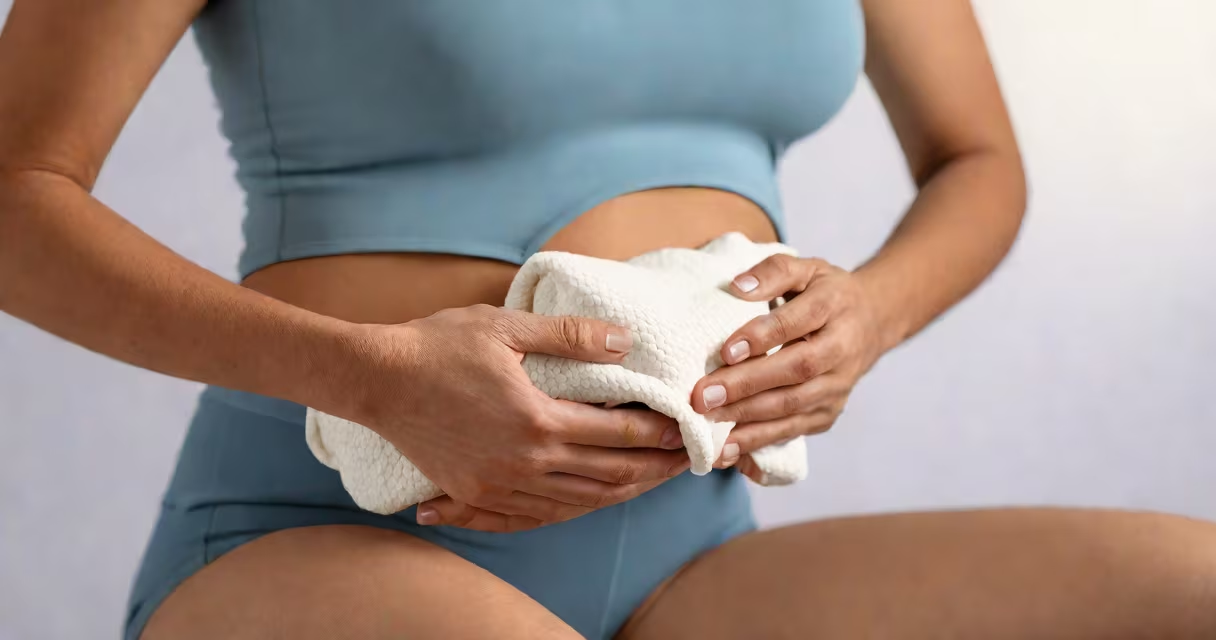
Heat therapy, over-the-counter pain relievers, and light exercise are among the fastest ways to relieve period cramps. These methods target inflammation and muscle contractions that cause menstrual pain.
Period cramps, or dysmenorrhea, occur when the uterus contracts to shed its lining. These contractions reduce blood flow, triggering pain. Prostaglandins, hormone-like compounds released during menstruation, intensify uterine contractions and inflammation. Primary dysmenorrhea affects people with normal uteruses, while secondary dysmenorrhea results from conditions like endometriosis or fibroids.
The most effective remedies fall into three categories: physical interventions, medications, and lifestyle adjustments. Each addresses different aspects of menstrual pain.
| Type | Examples | Effectiveness |
|---|---|---|
| Physical | Heating pads, massage | Moderate to high |
| Medication | NSAIDs, birth control | High |
| Lifestyle | Exercise, hydration | Moderate |
For immediate relief, apply a heating pad to your lower abdomen. Heat increases blood flow, reducing prostaglandin production and relaxing uterine muscles. A 2012 study published in the European Journal of Obstetrics & Gynecology found that continuous heat therapy reduced menstrual pain intensity.
Over-the-counter nonsteroidal anti-inflammatory drugs (NSAIDs) like ibuprofen or naproxen sodium block prostaglandin production. Take them at the first sign of cramps for maximum effectiveness. The American College of Obstetricians and Gynecologists recommends NSAIDs as first-line treatment for menstrual pain.
Many people assume caffeine worsens cramps, but research is mixed. A 2019 study in Reproductive Health found moderate coffee consumption didn't impact menstrual pain. However, excessive caffeine may contribute to dehydration, which can intensify cramps.
Another myth is that lying down helps. While rest is important, gentle movement like walking or stretching often provides better relief by improving circulation and releasing endorphins, the body's natural painkillers.
When my cramps became unbearable during a work meeting, I excused myself to the restroom. I applied a disposable heating pad to my lower abdomen and took two ibuprofen tablets with water. Within 20 minutes, the sharp pain had dulled to a manageable ache. Returning to my desk, I did 10 minutes of seated stretches under my desk. By the end of the meeting, my discomfort had faded almost completely.
For persistent or severe cramping, consult a healthcare provider to rule out underlying conditions like endometriosis. Some women find long-term relief through hormonal birth control or dietary changes that reduce inflammation.