Trade schools offer short-term, career-focused programs in technical and vocational fields, teaching hands-on skills for jobs like electrician, medical assistant, or HVAC technician. These programs typically last six months to two years and emphasize practical training over traditional academic coursework.
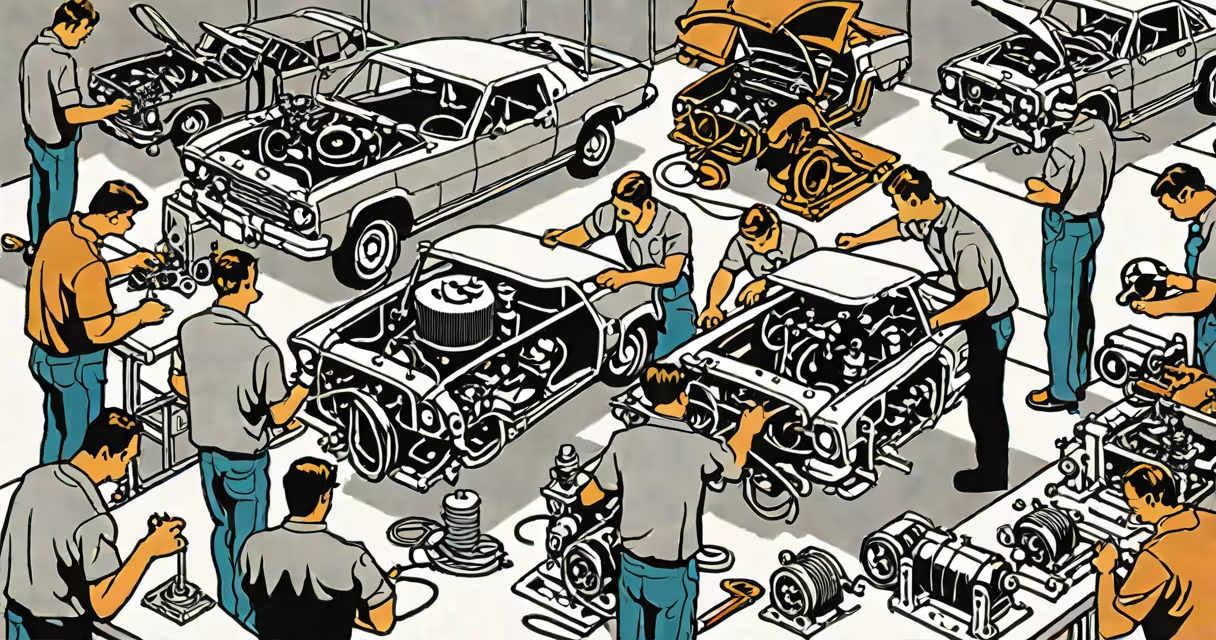
Unlike four-year colleges, trade schools focus on job-specific training. Students spend most of their time in workshops, labs, or clinical settings, learning skills directly applicable to their chosen field. For example, an automotive repair program includes engine diagnostics, brake systems, and electrical work.
Most programs require a high school diploma or GED. Some offer hybrid learning with online theory and in-person lab work. Many partner with local businesses for apprenticeships or externships, providing real-world experience.
| Field | Example Programs | Duration |
|---|---|---|
| Healthcare | Medical assisting, dental hygiene, pharmacy tech | 6 months - 2 years |
| Skilled Trades | Electrician, plumbing, welding | 9 months - 2 years |
| Automotive | Diesel mechanic, collision repair | 1 - 2 years |
| Technology | Coding bootcamps, cybersecurity | 3 months - 1 year |
Trade schools exist nationwide, often near urban centers with high demand for skilled labor. They fill gaps in the workforce by training professionals quickly. For instance, the U.S. Bureau of Labor Statistics projects 7% growth for healthcare support roles through 2031, creating over 600,000 new jobs.
Many students choose trade schools for lower tuition costs and faster entry into the workforce. A medical assistant program, for example, costs around $12,000 and takes about a year to complete, compared to a four-year nursing degree.
People often confuse trade schools with community colleges or universities. While both offer career training, trade schools specialize in technical skills and shorter programs. Another misconception is that trade jobs pay less. In reality, many skilled trades pay well above the national median wage. Electricians earn a median salary of $60,040, while radiologic technologists make $64,810.
Some assume trade schools lack accreditation. However, reputable programs are accredited by agencies like the Accrediting Bureau of Health Education Schools or the Council on Occupational Education. Accreditation ensures curriculum quality and eligibility for federal financial aid.
Unlike traditional colleges, trade schools don't require general education courses. Instead, they focus entirely on job-specific skills. For example, a welding program teaches metal joining techniques, blueprint reading, and safety protocols-nothing unrelated to the profession.
I visited a local trade school's open house and watched students practice dental procedures on mannequins. The instructor emphasized how their program prepares graduates for real clinics, not just textbooks.
While healthcare and skilled trades dominate discussions, trade schools also offer niche programs. These include:
These programs fill unique industry needs. For example, the funeral industry faces a shortage of licensed directors, with demand growing as the population ages.
Research job outlook data from the Bureau of Labor Statistics. Look for programs with hands-on training and industry partnerships. Visit campuses to observe classes and speak with instructors. Ask about job placement rates-reputable schools often have connections with local employers.