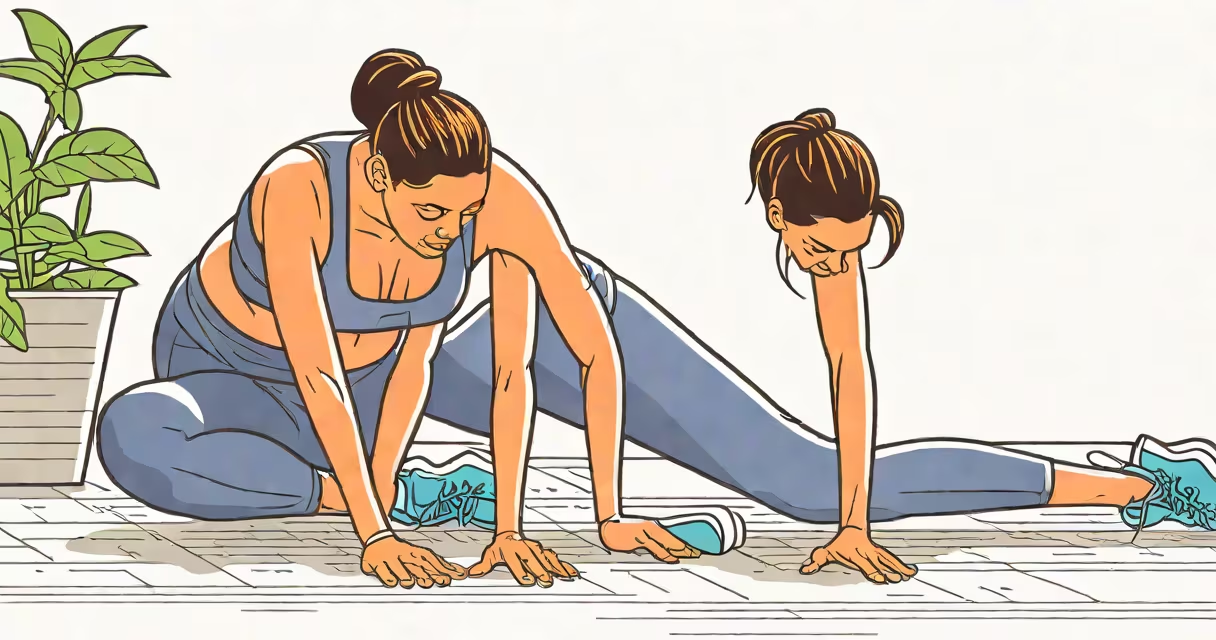
To relieve soreness after working out, focus on hydration, electrolytes, and gentle movement. These steps reduce inflammation and promote recovery.
Muscle soreness typically peaks 24-72 hours after exercise due to microscopic damage from intense or unfamiliar movements. This is called delayed onset muscle soreness (DOMS). The body repairs these microtears, leading to stronger muscles over time.
Soreness results from:
For immediate relief, try these evidence-backed strategies:
| Method | How It Helps | When to Use |
|---|---|---|
| Hydration | Replenishes fluids lost during exercise, aids muscle repair | Throughout the day, especially after workouts |
| Electrolytes | Balances minerals like sodium and potassium, important for muscle function | During and after intense sessions |
| Gentle movement | Increases blood flow, reduces stiffness | 24-48 hours post-exercise |
Many believe ice baths are essential, but research shows they may delay gains by reducing inflammation needed for muscle growth. Instead, contrast showers-alternating hot and cold-offer benefits without hindering adaptation.
Another myth is that soreness equals a good workout. While some soreness indicates effort, excessive pain suggests overtraining or improper form. Listen to your body and adjust accordingly.
After a grueling leg day, I tried hydration, electrolytes, and light cycling the next morning. My soreness was manageable within 48 hours, whereas skipping these steps left me stiff for days. Proper recovery makes a noticeable difference.