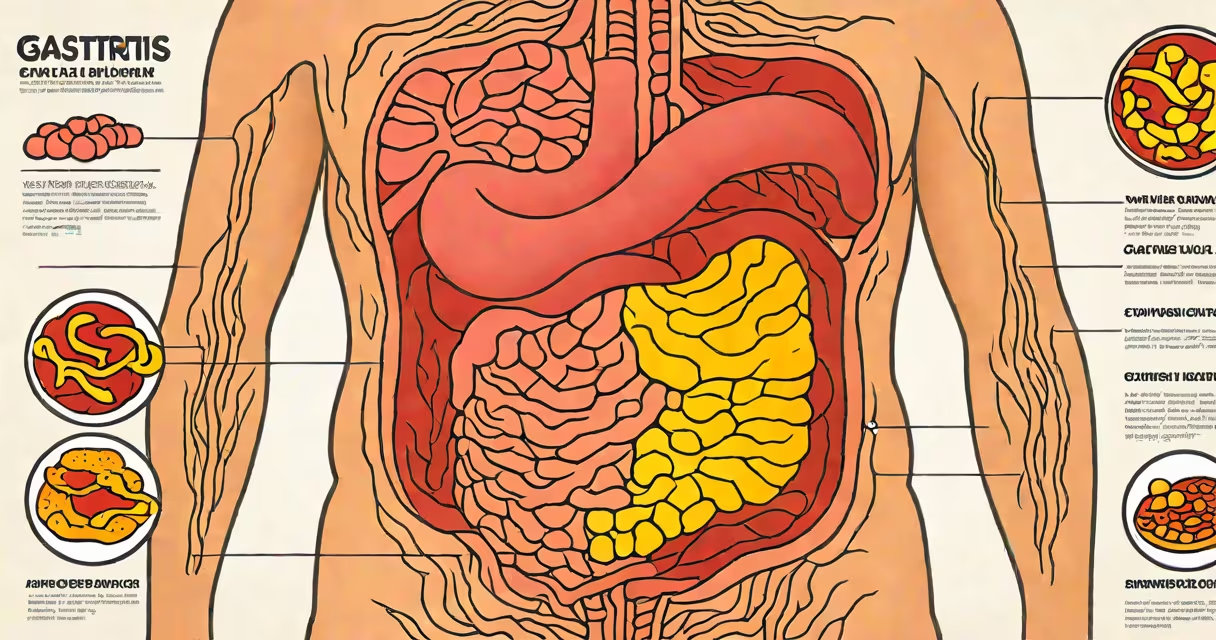
Gastritis occurs when the lining of your stomach becomes inflamed or irritated. This inflammation can result from various factors, including infections, lifestyle choices, and certain medications.
The stomach lining contains mucus that protects it from digestive acids. When this lining is damaged, acids can erode the tissue, causing inflammation. This irritation can lead to discomfort, pain, and other symptoms associated with gastritis.
Gastritis can be acute or chronic:
The most frequent triggers include:
For example, a study published in the Journal of Gastroenterology found that H. pylori infection is present in about 50% of the global population and is a leading cause of chronic gastritis.
Symptoms of gastritis can include:
Diagnosis often involves blood tests, stool samples, or endoscopic procedures to check for H. pylori or other underlying conditions.
Many people assume gastritis is solely caused by diet or stress. While these factors contribute, infections like H. pylori are often the primary culprit. According to the National Institute of Diabetes and Digestive and Kidney Diseases, H. pylori is responsible for most cases of chronic gastritis.
I once worked with a patient who had chronic gastritis symptoms but didn't realize the cause was an untreated H. pylori infection. After diagnosis and treatment, their symptoms improved.
To prevent gastritis:
Treatment may include antibiotics for infections, antacids, or proton pump inhibitors to reduce stomach acid.