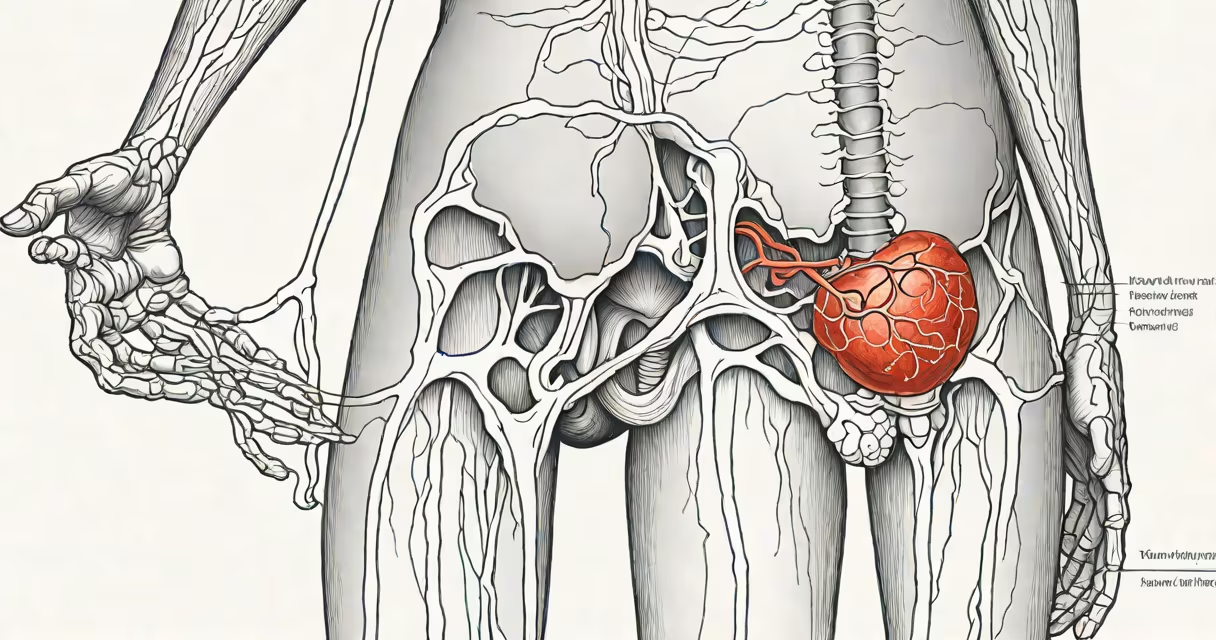
A urinary tract infection (UTI) occurs when bacteria enter the urinary system, typically through the urethra. Most UTIs result from Escherichia coli (E. coli) bacteria migrating from the digestive tract to the urinary tract.
The urinary system usually flushes out bacteria before they cause infection. However, certain conditions allow bacteria to multiply and trigger infection. The most common entry point is the urethra, with women more susceptible due to shorter urethras and proximity to the anus.
| Type | Location | Common Symptoms |
|---|---|---|
| Cystitis | Bladder | Frequent urination, burning sensation, cloudy urine |
| Urethritis | Urethra | Pain during urination, discharge |
| Pyelonephritis | Kidneys | Fever, flank pain, nausea, blood in urine |
Several factors increase UTI risk:
Women are 10 times more likely to get UTIs than men, with 60% experiencing at least one in their lifetime (Mayo Clinic).
Many believe hydration alone prevents UTIs, but proper wiping technique (front-to-back) and urinating after sex are equally important. Another myth suggests cranberry juice cures UTIs, though studies show it may only help prevent recurrent infections (NIH).
To reduce UTI risk, drink plenty of water, empty your bladder after intercourse, and avoid irritating feminine products. Wearing loose clothing and changing out of wet swimsuits promptly also helps. For recurrent UTIs, consult a doctor about long-term antibiotic options or vaginal estrogen therapy for postmenopausal women.
When I experienced frequent UTIs, adjusting my diet helped. I focused on probiotic-rich foods and reduced sugar intake. While not a cure, these changes complemented medical treatment effectively. For specific food recommendations, see what to eat with a UTI.