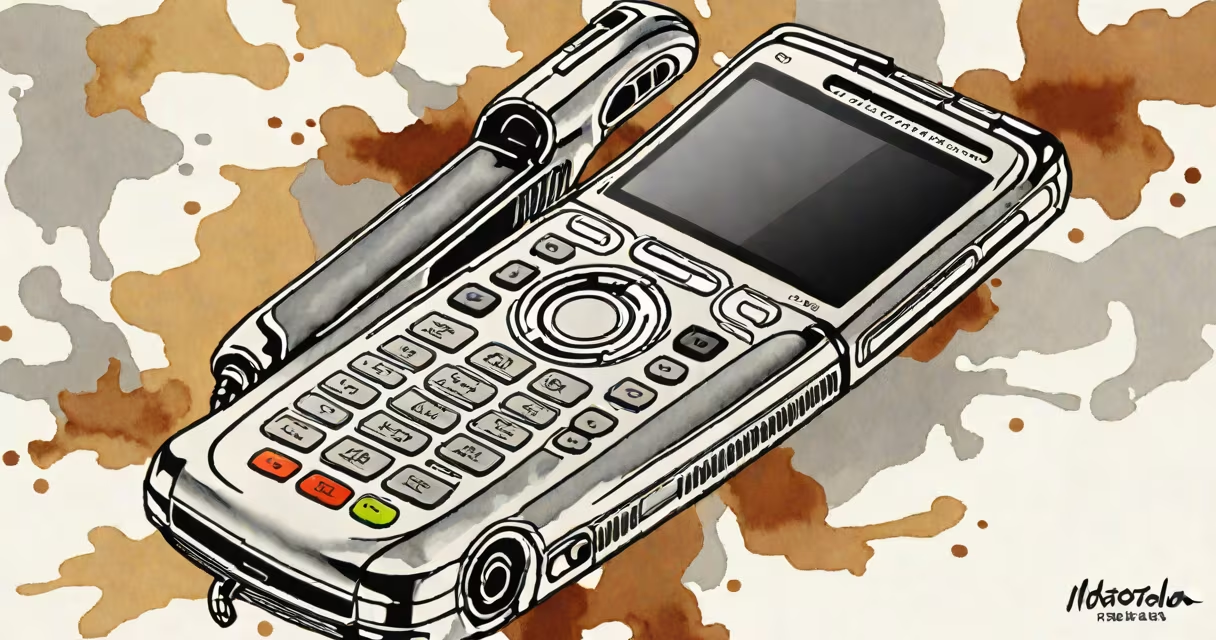
The Motorola Razr V3 launched in 2004, becoming the best-selling mobile phone of its time. This iconic flip phone combined modern technology with a sleek, ultra-thin design.
The Razr V3 featured a 2-inch internal color display, a 1.3-megapixel camera, and Bluetooth connectivity. Its external screen showed caller ID, time, and notifications. The phone measured just 13.9mm thick, setting new standards for slimness.
| Feature | Specification |
|---|---|
| Display | 2.0" internal TFT LCD (260K colors) |
| External Display | 1.0" CSTN (65K colors) |
| Camera | 1.3 megapixels |
| Dimensions | 98 x 53 x 14 mm |
| Weight | 95 grams |
| Battery | 600 mAh Li-Ion |
The Razr V3 became a status symbol, appearing in movies, music videos, and on runways. It sold over 130 million units worldwide, making it one of the most successful mobile phones ever. The Razr's design influenced later smartphones, including the iPhone.
Motorola released updated versions like the Razr2 in 2007, but none matched the original's success. The brand attempted a comeback with the Razr HD in 2012 and the foldable Razr in 2019, though neither replicated the original's cultural impact.
Many people confuse the Razr V3 with the StarTAC, another iconic Motorola phone. The StarTAC launched in 1996 and was the first clamshell phone, while the Razr V3 arrived eight years later with advanced features like a color display and camera.
I remember my first Razr V3 - the way it flipped open with a satisfying snap and the pride of showing off its thin profile. It felt futuristic compared to the bulky phones of the time.
The Razr V3 demonstrated how design and innovation could create consumer desire. It proved that phones could be both functional and fashionable, paving the way for modern smartphones. While technology has evolved since 2004, the Razr remains a landmark in mobile phone history.