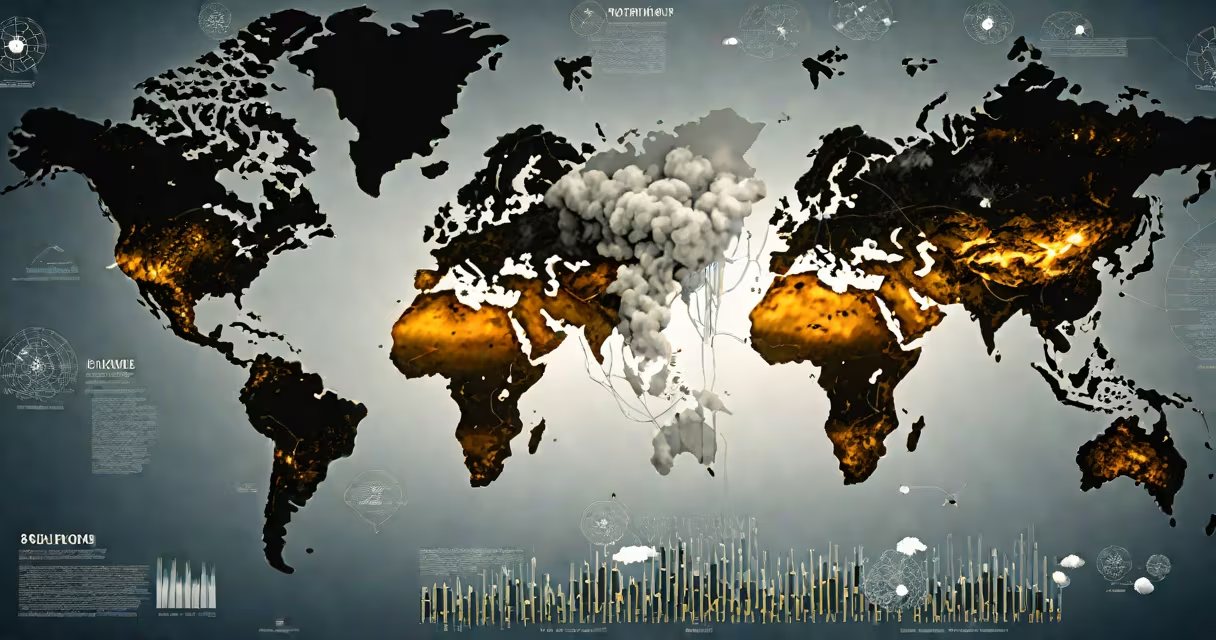
Air pollution occurs primarily in densely populated urban areas, industrial zones, and regions with heavy traffic or coal-fired power plants. These locations often exceed safe pollution levels due to high emissions from vehicles, factories, and power generation.
Some of the worst-affected regions include:
Urban centers with high population densities and industrial activity generate more pollution. Traffic congestion, coal-fired power plants, and lack of green spaces exacerbate the problem. For example, Delhi's pollution spikes during winter due to crop burning in nearby agricultural regions combined with stagnant air conditions.
Industrial zones, such as those in China and India, release large amounts of sulfur dioxide (SO₂) and nitrogen oxides (NOₓ) from manufacturing processes. These pollutants react with sunlight to form ozone, further degrading air quality.
While human activities are the primary cause, natural events like wildfires, volcanic eruptions, and dust storms also contribute. For instance, the Australian bushfires in 2019-2020 released massive amounts of particulate matter into the atmosphere, affecting air quality across the Southern Hemisphere.
Many assume that air pollution is only an issue in developing countries. However, developed nations like the U.S. and those in Europe still struggle with pollution in major cities. For example, London frequently exceeds WHO guidelines for nitrogen dioxide (NO₂) due to diesel vehicle emissions.
Another common mistake is believing that rural areas are pollution-free. Agricultural activities, such as livestock farming and pesticide use, can release harmful gases like ammonia (NH₃) and methane (CH₄), impacting local air quality.
Understanding where pollution happens is the first step toward addressing it. Individuals can reduce their carbon footprint by using public transportation, supporting renewable energy, and advocating for stricter emissions regulations. Governments and businesses must invest in cleaner technologies and enforce environmental policies to mitigate pollution effectively.
Air pollution knows no borders. Transboundary pollution, where pollutants travel across regions, affects even remote areas. For example, black carbon from Asian industries has been detected in the Arctic, contributing to ice melt and climate change.
Addressing air pollution requires global cooperation and localized action. By identifying pollution hotspots and understanding their causes, communities can work together to improve air quality and protect public health.