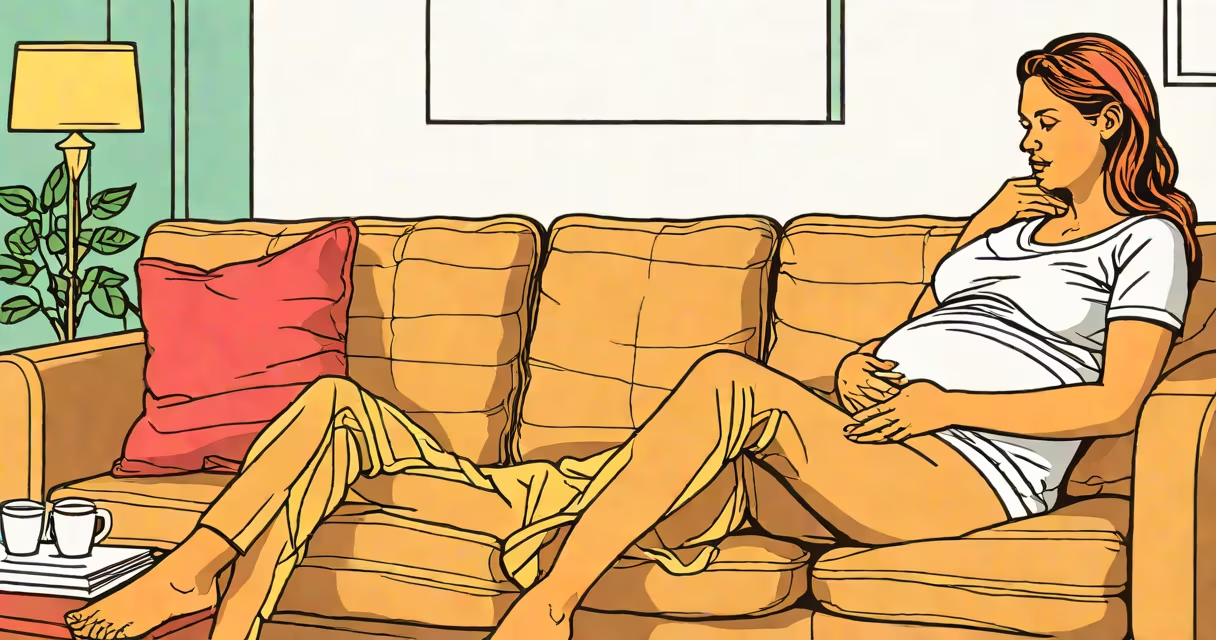
Bleeding during pregnancy occurs when blood is released from the vagina, ranging from light spotting to heavy flow. While alarming, it doesn't always indicate a problem.
During pregnancy, the cervix and vaginal walls become more sensitive and prone to minor bleeding due to increased blood flow. The uterus also undergoes changes that can sometimes cause light spotting.
Bleeding during pregnancy can be classified into different types based on timing and severity:
| Type | Description | When It Occurs |
|---|---|---|
| Implantation bleeding | Light spotting caused by the fertilized egg attaching to the uterine lining | 6-12 days after conception |
| Threatened miscarriage | Vaginal bleeding with or without lower abdominal cramps | First 20 weeks of pregnancy |
| Ectopic pregnancy | Heavy bleeding, often accompanied by severe pain | Early pregnancy (before 8 weeks) |
| Placental issues | Bleeding due to placenta previa or placental abruption | Second or third trimester |
Many people assume that any bleeding during pregnancy is a sign of miscarriage. However, according to the American College of Obstetricians and Gynecologists, about 20-30% of women experience some bleeding in early pregnancy, and most go on to have healthy babies.
Another misconception is that bleeding during pregnancy is always heavy. Light spotting can occur for various reasons, including hormonal changes or minor injuries to the cervix.
Contact your healthcare provider immediately if you experience any of the following: