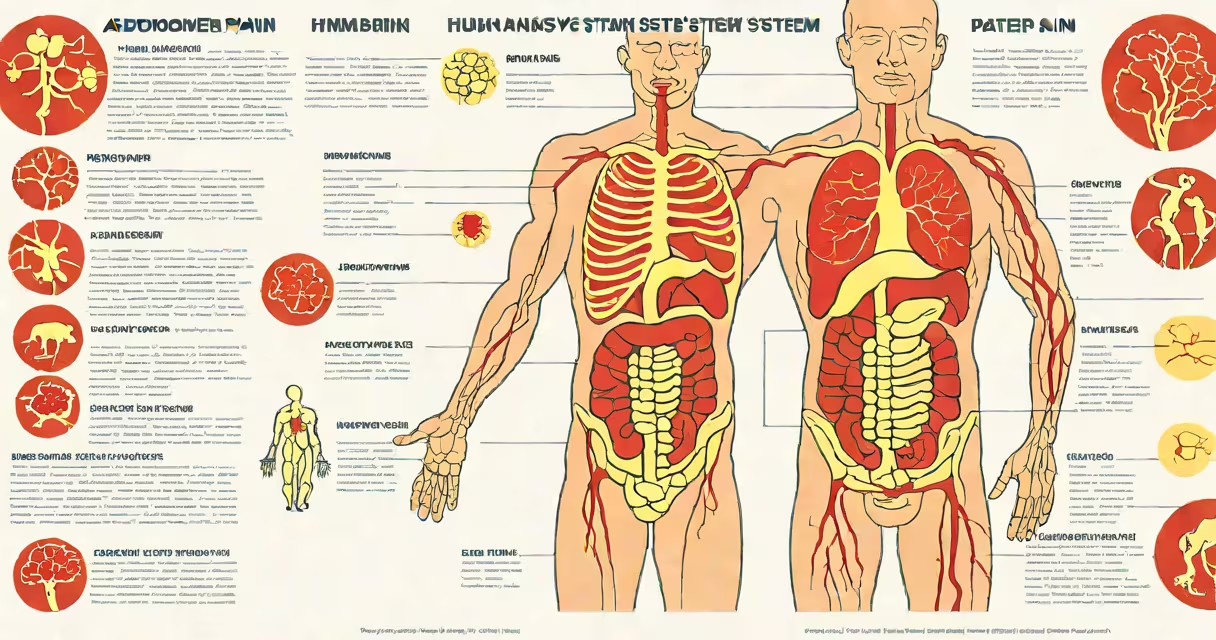
Abdominal pain after eating occurs when your digestive system struggles to process food, often due to overeating, food intolerances, or underlying conditions. This discomfort ranges from mild bloating to severe cramping.
When you eat, food travels through your esophagus to your stomach, where stomach acid and enzymes break it down. The mixture then moves to your small intestine for nutrient absorption and finally to your large intestine for waste removal. Pain typically occurs when this process is disrupted.
Common reasons for abdominal pain after eating include:
Consult a healthcare provider if pain persists for more than two hours, worsens over time, or accompanies symptoms like vomiting blood, black stools, or unexplained weight loss. These may indicate serious conditions like gallstones, ulcers, or pancreatic disorders.
Doctors diagnose the cause through medical history, physical exams, and tests like blood work, stool samples, or imaging scans. Treatment varies by cause but may include dietary changes, medication, or surgery.
I once experienced persistent abdominal pain after meals, which turned out to be lactose intolerance. Switching to lactose-free products resolved the issue within days.
To minimize discomfort:
While abdominal pain after eating is common, persistent or severe pain warrants medical evaluation. Understanding your body's reactions to different foods can help identify and manage the underlying cause effectively.