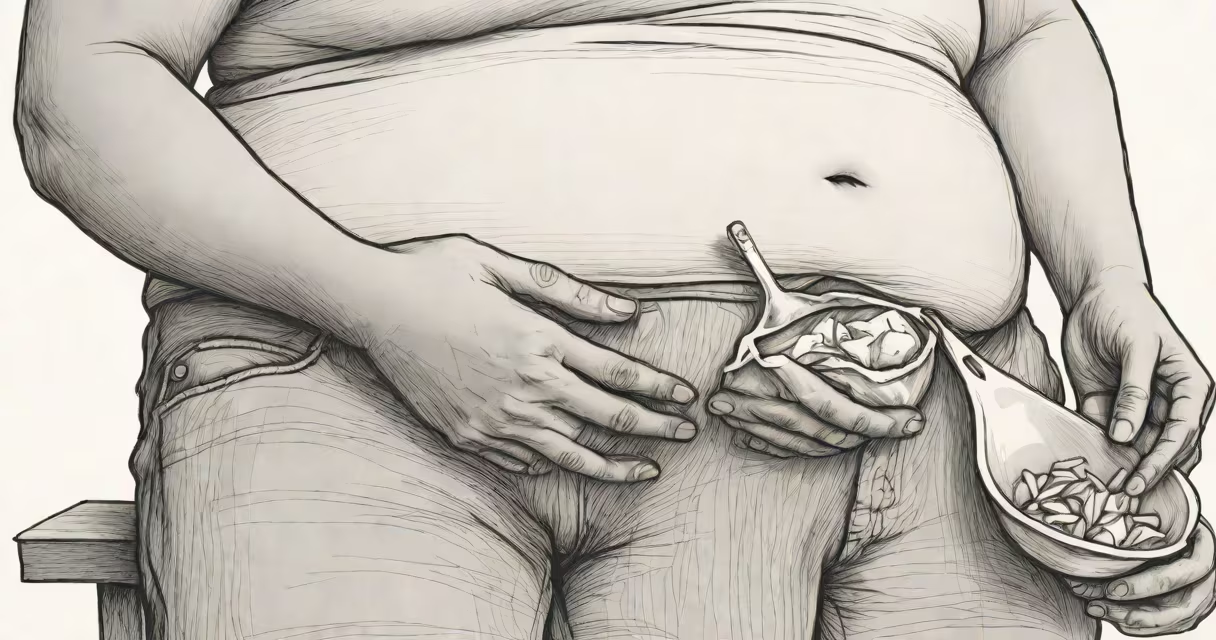
Bloating occurs when your stomach feels swollen or tight after eating, often due to gas buildup, food intolerances, or digestive disorders. It's normal occasionally, but persistent bloating may indicate an underlying issue.
When you eat, your stomach breaks down food using enzymes and acids. The small intestine absorbs nutrients, while bacteria in the large intestine ferment undigested food, producing gas. This process is usually efficient, but disruptions can cause bloating.
Several factors contribute to bloating:
Many people assume bloating is always caused by overeating or poor diet. While these can contribute, persistent bloating often stems from underlying conditions like SIBO or food intolerances. For example, a 2016 study in World Journal of Gastroenterology found that 60% of IBS patients reported bloating as a primary symptom.
If you frequently feel bloated after eating, try these steps:
See a doctor if bloating is severe, persistent, or accompanied by other symptoms like weight loss, diarrhea, or abdominal pain. These could indicate a serious condition requiring treatment.
Last year, I noticed bloating after nearly every meal. Tracking my diet revealed that dairy was the main trigger. After reducing intake and adding probiotics, my bloating improved.