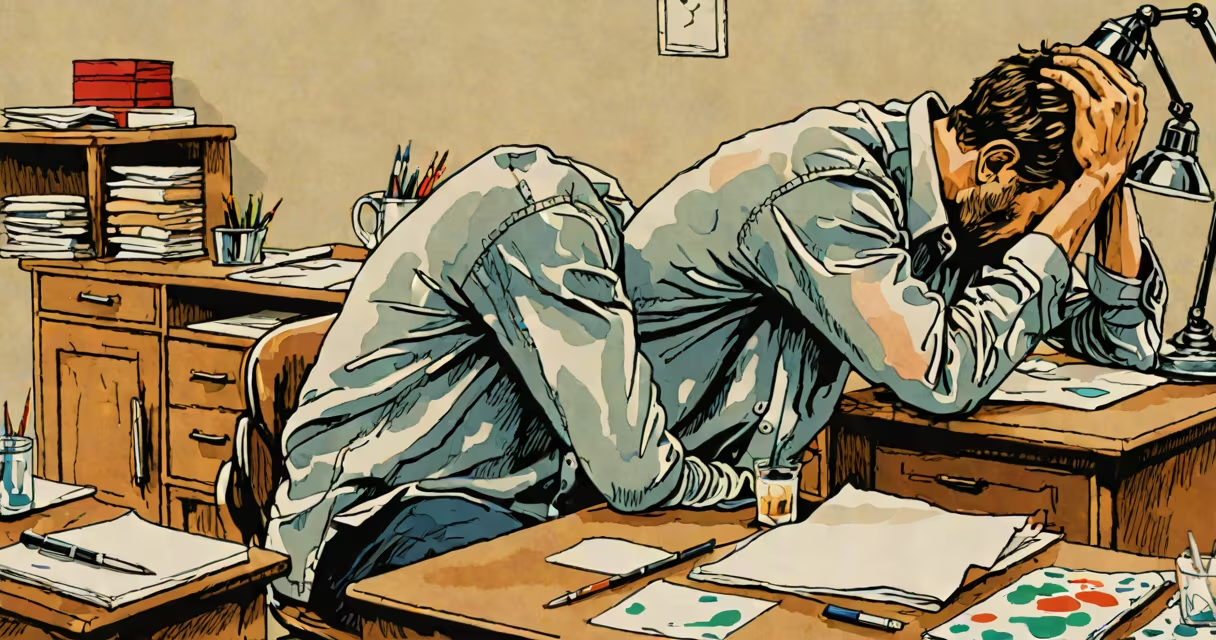
Burnout is a state of physical, emotional, and mental exhaustion caused by long-term stress or overwork. It often results in reduced performance, lack of motivation, and a feeling of detachment from work or personal life.
Burnout develops gradually, often starting with increased stress and fatigue. Over time, it can lead to feelings of helplessness, cynicism, and a lack of accomplishment. The World Health Organization recognizes burnout as an occupational phenomenon, not a medical condition, but it can have serious health implications if left unaddressed.
Burnout can manifest in different ways, but it generally falls into three categories:
Burnout is commonly associated with high-pressure jobs, but it can affect anyone, including students, caregivers, and stay-at-home parents. It often occurs when there is a mismatch between a person's expectations and their ability to meet them. For example, a project manager juggling multiple deadlines may feel overwhelmed and exhausted, leading to burnout.
Many people confuse burnout with regular stress or fatigue. However, burnout is a prolonged state of exhaustion that doesn't improve with rest. Unlike temporary stress, burnout requires significant changes in lifestyle, workload, or mindset to overcome.
Sarah, a marketing executive, noticed she was constantly tired and struggled to find motivation for her projects. She felt detached from her team and questioned her abilities. After several months, she realized she was experiencing burnout. By reducing her workload, setting boundaries, and seeking support, Sarah gradually regained her energy and enthusiasm.
Understanding why you might be burnt out is the first step toward recovery. Recognizing the signs and taking proactive measures can help prevent long-term damage to your mental and physical health.