Persistent hiccups lasting more than 48 hours are called intractable hiccups, and they often result from underlying medical conditions affecting the vagus nerve or diaphragm.
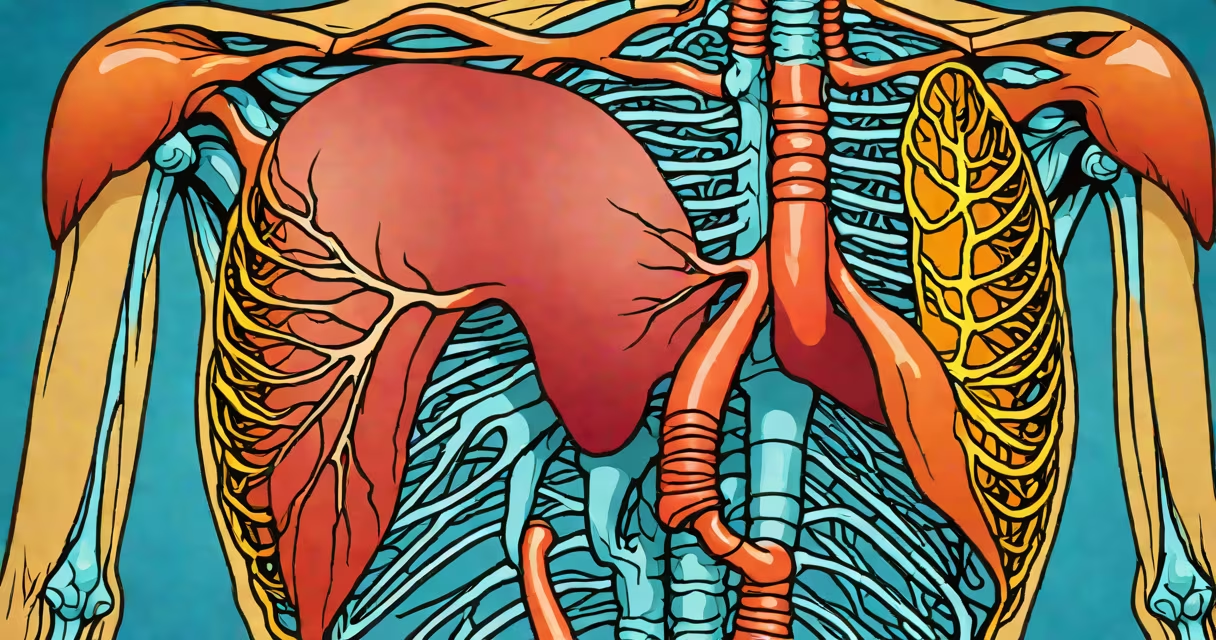
Hiccups occur when your diaphragm-the muscle separating your chest and abdomen-spasms involuntarily. This sudden contraction pushes air upward past your vocal cords, creating the characteristic "hic" sound. While occasional hiccups are normal, hiccuping all day is unusual and warrants attention.
The diaphragm contracts rapidly due to irritation or stimulation of the phrenic nerves, which control the muscle. The vagus nerve, which runs from the brain to the stomach, also plays a role. When these nerves misfire, they cause the diaphragm to spasm, leading to hiccups.
Normally, hiccups resolve on their own within a few minutes. However, prolonged hiccups may indicate an underlying issue. According to the Journal of Clinical Gastroenterology, persistent hiccups last longer than 48 hours, while intractable hiccups persist beyond a month.
Persistent hiccups often stem from conditions affecting the nerves controlling the diaphragm. Common causes include:
A study published in Clinical Otolaryngology found that GERD is a leading cause of chronic hiccups, particularly in adults.
Many people believe hiccups are harmless and always temporary. While occasional hiccups are benign, persistent hiccups can signal serious health issues. Another myth is that holding your breath or drinking water upside down cures hiccups. These methods work by increasing carbon dioxide levels, which may override the hiccup reflex-but they don't address the root cause.
Some people think hiccups are caused by swallowing air. While swallowing air can contribute, it's rarely the sole cause of prolonged hiccups. The primary triggers involve nerve irritation or dysfunction.
If hiccups last more than 48 hours, consult a healthcare provider. Persistent hiccups may indicate GERD, a nervous system disorder, or even a brain injury. A doctor can perform tests, such as an endoscopy or imaging scans, to identify the underlying cause.
I once experienced hiccups for over 24 hours after a large meal. After trying home remedies without success, I visited a doctor, who diagnosed mild acid reflux. Antacids resolved the issue within hours.
To reduce the risk of hiccups:
If hiccups persist, medical intervention may be necessary. In rare cases, persistent hiccups require medications like chlorpromazine or metoclopramide to block nerve signals.