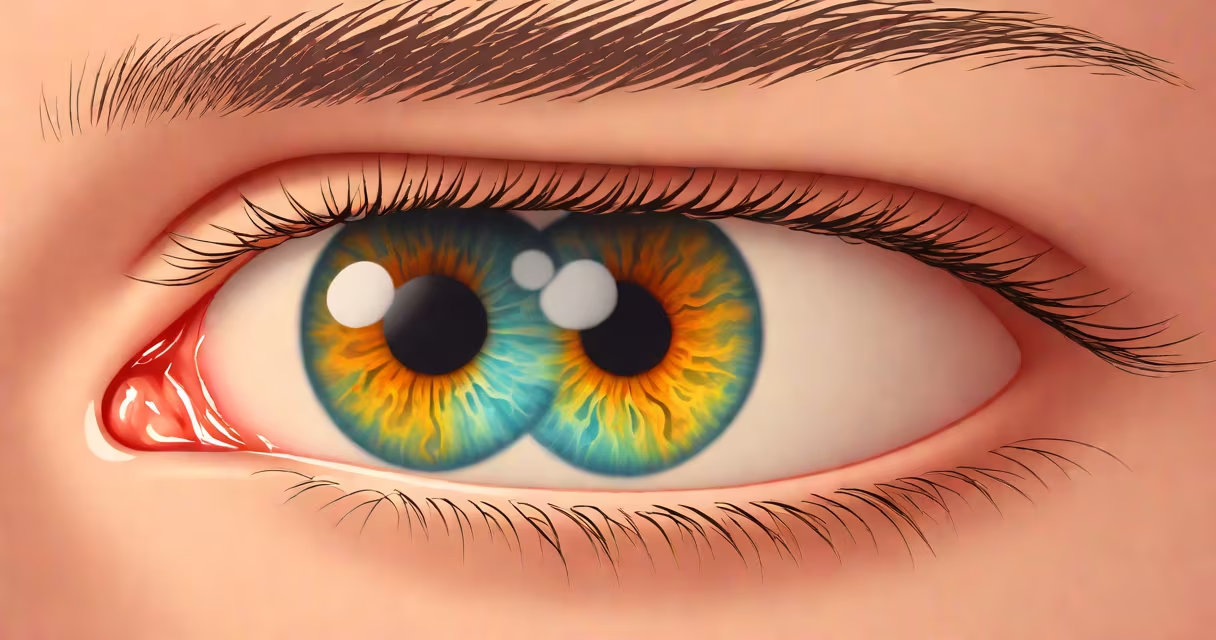
Dry eyes cause blurred vision because inadequate tears create uneven surfaces on your cornea, distorting light as it enters your eye. This happens when your tear film-the protective layer covering your eye-is unstable or incomplete.
The tear film has three layers: oil, water, and mucus. Each plays a role in keeping your eyes moist and clear. When any layer is missing or unbalanced, your eyes dry out. The cornea, which focuses light onto your retina, becomes irregular. Light scatters instead of focusing sharply, causing blurriness.
Dry eye disease falls into two main categories:
| Aqueous Deficient Dry Eye | Evaporative Dry Eye |
|---|---|
| Occurs when your eyes don't produce enough tears. Common in conditions like Sjögren's syndrome. | Happens when tears evaporate too quickly, often due to meibomian gland dysfunction. |
Both types can lead to blurred vision, though evaporative dry eye is more common.
Screen use, aging, medical conditions, and medications like antihistamines can worsen dry eyes. Environmental factors such as dry air, wind, and smoke also play a role. Prolonged contact lens wear can contribute, as lenses absorb moisture from your tear film.
If blurred vision persists even after using artificial tears, consult an eye doctor. Chronic dry eye can lead to corneal damage. Your doctor may prescribe prescription eye drops, punctal plugs, or other treatments to relieve symptoms.
I noticed blurred vision during long work hours. After using lubricating eye drops, my vision improved within minutes. If over-the-counter solutions don't help, see an eye care professional to rule out underlying conditions.