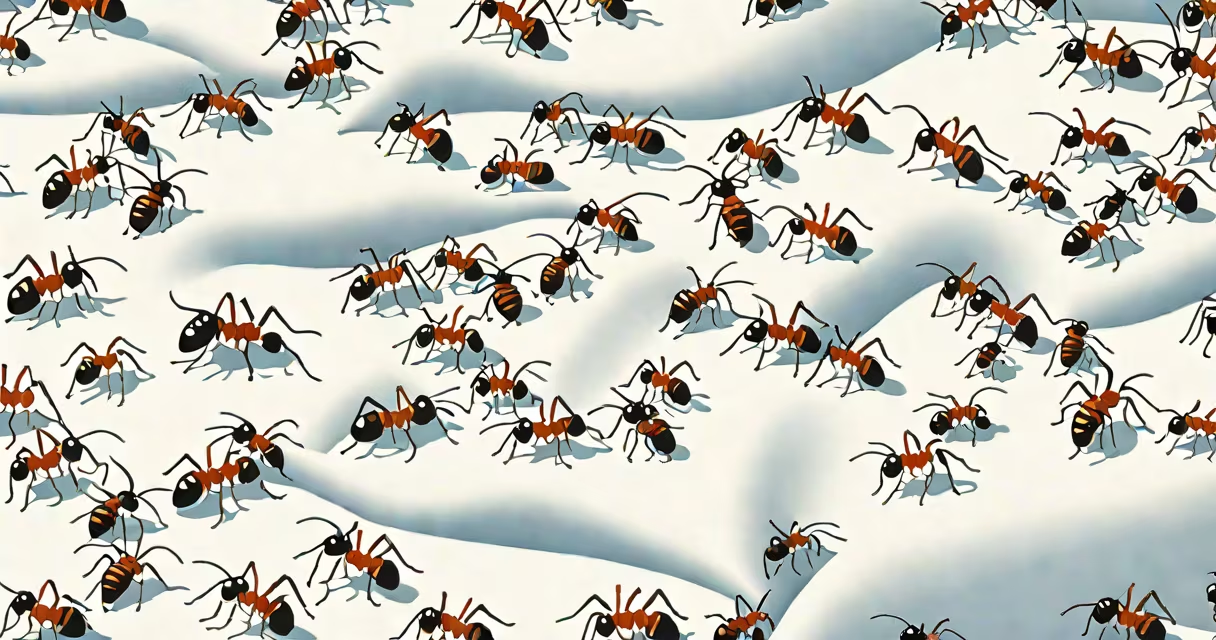
Ants invade beds due to food residue, moisture, or nesting opportunities. These tiny pests are attracted to crumbs, sweat, or even the scent of your skincare products left on sheets.
Ants follow chemical trails called pheromones. Once they discover a food source or favorable environment, they leave a scent trail for other ants to follow. This explains why you might find a whole line of ants marching across your mattress.
| Type | Why They're There | Common Locations |
|---|---|---|
| Sugar ants | Drawn to sweet residues from food or drinks | Near pillows, under mattresses |
| Carpenter ants | Seeking moist wood for nesting | Under bed frames, near headboards |
| Pharaoh ants | Attracted to warm, humid areas | Inside bedding, near sweaty sheets |
Ants are often confused with bed bugs. Unlike bed bugs, which bite and feed on blood, ants don't bite humans for sustenance. They're just searching for food or a place to nest. Look for tiny black or red insects-ants have segmented bodies and antennae, while bed bugs are oval-shaped and reddish-brown.
To prevent ants from invading your bed, start by keeping your bedroom clean. Wipe down surfaces, vacuum regularly, and avoid eating in bed. Store food in sealed containers and fix any plumbing leaks that create moisture. If ants persist, use natural repellents like vinegar or essential oils, or consider professional pest control.
I once had an ant problem in my bedroom. After cleaning thoroughly and using vinegar to wipe down surfaces, the ants disappeared within a few days. Keeping the area clean and dry was key to preventing their return.