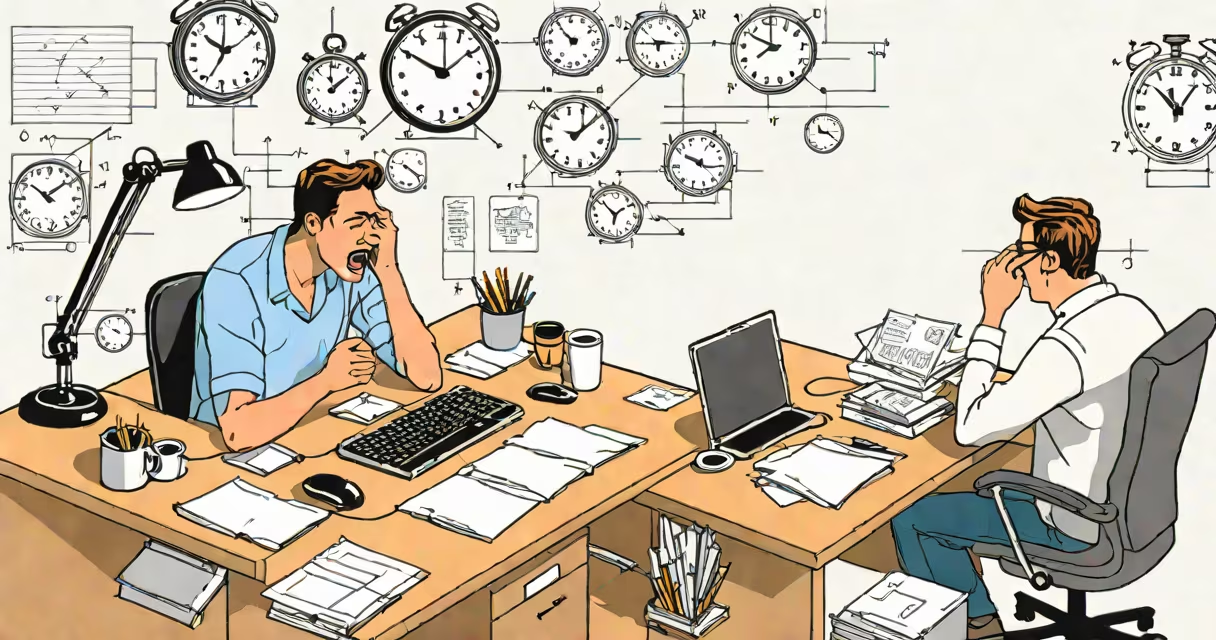
Your afternoon energy crash happens because of natural biological rhythms, digestive processes, and often poor sleep habits. The post-lunch dip occurs when your body temperature drops slightly, blood sugar levels fall, and melatonin production increases.
Around 2pm, your circadian rhythm - the internal clock regulating sleep and wakefulness - triggers a natural dip in alertness. This is part of your body's preparation for nighttime sleep. Digestion also plays a role: your body diverts energy to digest lunch, leaving less for cognitive tasks.
Blood sugar levels often drop 2-3 hours after eating, causing fatigue. If you ate a carb-heavy meal, this effect is amplified. Sleep inertia - the grogginess after waking from a nap - can also contribute if you're sleep-deprived.
| Type | Cause | Duration |
|---|---|---|
| Circadian rhythm dip | Natural biological clock | 1-2 hours |
| Postprandial somnolence | Digestion after meals | 30 minutes-2 hours |
| Sleep deprivation effects | Poor nighttime sleep | All afternoon |
Many people assume their afternoon tiredness is caused by dehydration or caffeine withdrawal. While these factors can contribute, they're rarely the primary cause. The main driver is almost always your body's natural rhythms combined with post-lunch digestion.
A 2016 study published in Sleep Medicine Reviews found that most people experience their lowest alertness between 2-5pm regardless of their sleep patterns. This suggests the circadian rhythm dip is the dominant factor.
For immediate relief during your afternoon slump:
I used to struggle with severe afternoon fatigue until I started tracking my sleep patterns and adjusting my lunch habits. Now I eat earlier, include protein in my lunch, and take short walks after meals. These changes reduced my afternoon tiredness by about 70%.
If your afternoon fatigue persists despite good sleep habits and healthy eating, consult a healthcare provider. Chronic fatigue could indicate conditions like anemia, thyroid problems, or sleep disorders.
The National Sleep Foundation recommends paying attention to other symptoms like difficulty concentrating, headaches, or mood changes that accompany your afternoon tiredness.