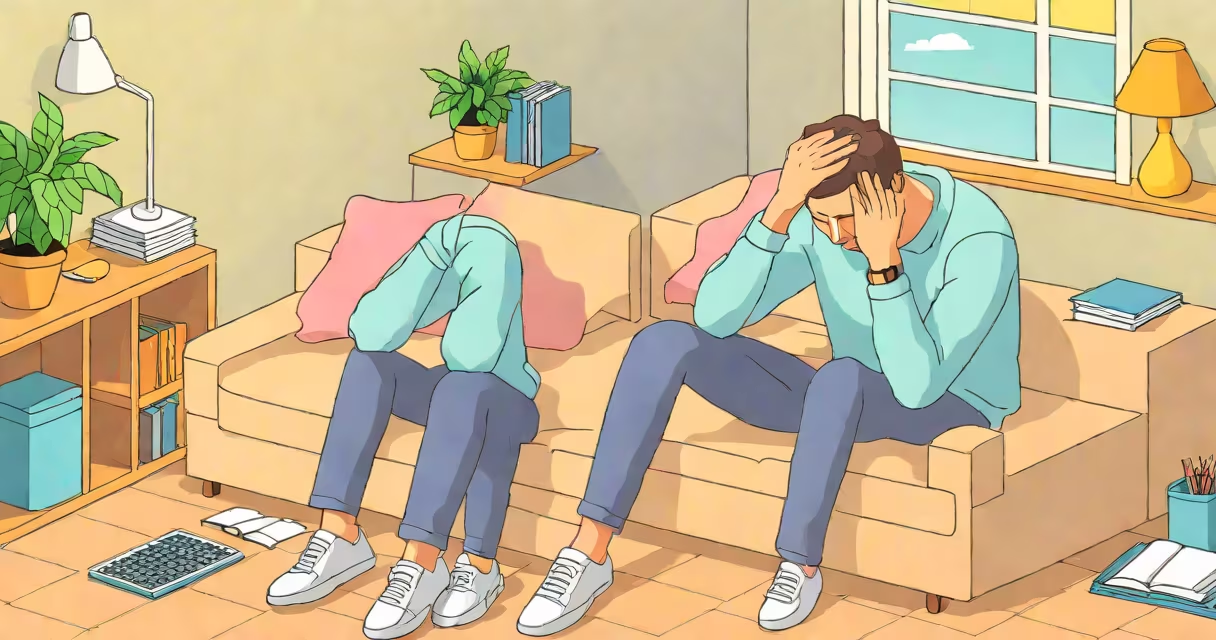
Feeling like you're about to pass out-also called feeling lightheaded or dizzy-happens when your brain isn't getting enough blood flow. This usually stems from low blood pressure, dehydration, or sudden changes in position.
Your brain needs a steady supply of oxygen-rich blood to function properly. When something disrupts this flow, you may feel faint. Common triggers include standing up too quickly, not drinking enough water, or conditions like anemia.
The most common reasons for feeling like passing out include:
Feeling faint often occurs when you change positions quickly, such as standing up from a seated position. This is because your body hasn't had time to adjust blood flow to your brain. Other times, it can happen after prolonged standing, especially in hot weather, due to pooling of blood in the legs.
Many people assume that feeling lightheaded is always a sign of a serious condition. However, it's often due to simple factors like dehydration or low blood sugar. That said, if you frequently feel like passing out without an obvious cause, it's important to see a doctor to rule out underlying issues like heart problems or neurological conditions.
I once experienced frequent dizziness after starting a new medication. After checking with my doctor, we adjusted the dosage, and the symptoms improved. This shows how important it is to consider all potential causes, including medication side effects.
If you frequently feel like passing out, try these steps: