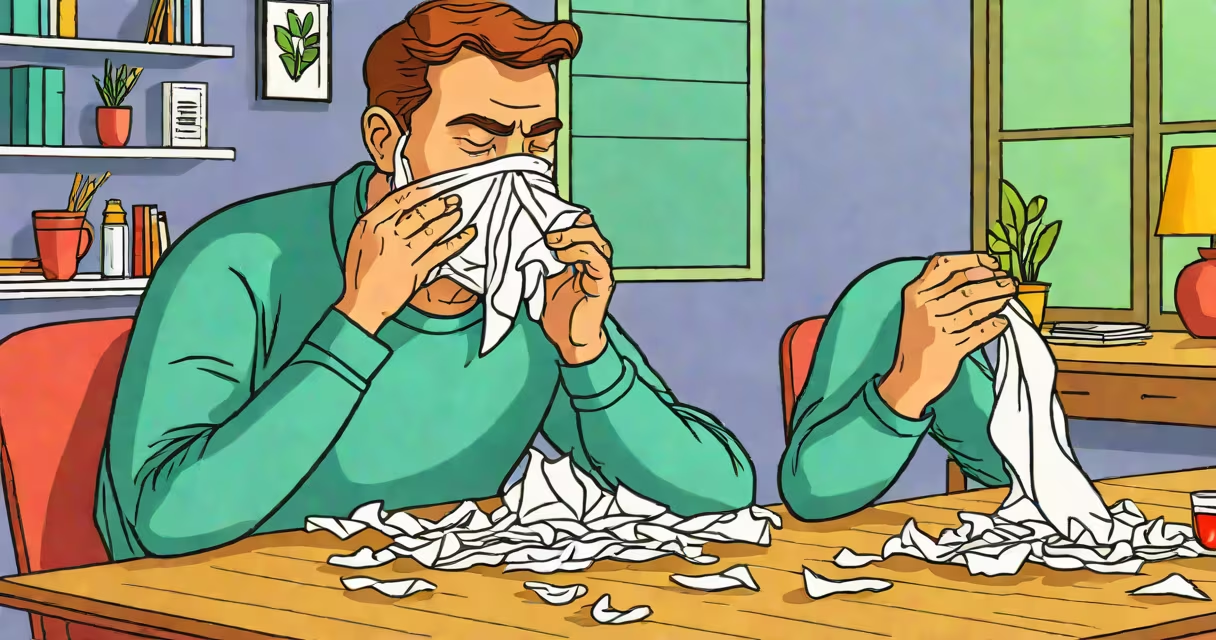
If you frequently catch colds, it likely stems from a weakened immune system, exposure to pathogens, or underlying health conditions. Persistent colds can disrupt daily life, but understanding the causes helps prevent them.
Colds are viral infections that inflame the upper respiratory tract. The rhinovirus causes most cases, spreading through droplets when an infected person sneezes or coughs. Symptoms include runny nose, sore throat, and fatigue. Most colds resolve in 7-10 days, but frequent infections suggest deeper issues.
Several factors contribute to recurring colds:
Many believe colds come solely weather. However, research shows that low temperatures don't directly cause colds but may weaken immune defenses, making you more vulnerable. Another myth is that antibiotics treat colds; they only work against bacterial infections.
To reduce frequent colds, adopt these habits:
I noticed a significant drop in cold frequency after improving my sleep routine and adding more fruits and vegetables to my diet. Small changes can make a big difference.
For more details on why you might always feel cold, see common reasons for always feeling cold. If symptoms persist, consult a healthcare provider to rule out underlying conditions.