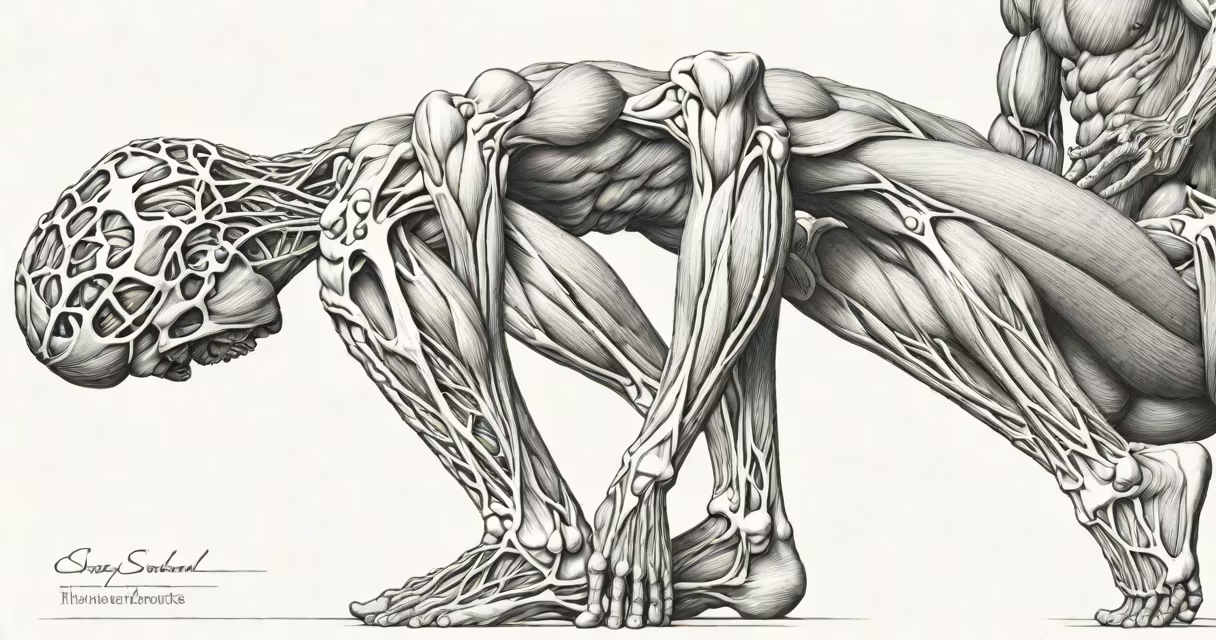
Hip and leg pain often results from muscle strains, joint issues, or nerve compression. These areas endure significant stress during movement, making them prone to discomfort from overuse, injury, or underlying conditions.
Hip and leg pain can arise from various sources, including muscle strains, joint inflammation, or nerve issues. Overuse, poor posture, or sudden injuries often contribute to discomfort. Conditions like arthritis or sciatica may also play a role.
Muscle strains occur when fibers tear due to overstretching or excessive use. The hip flexors and quadriceps are particularly vulnerable. For example, runners often experience hip flexor strains from repetitive motion. Overuse can lead to chronic pain if not addressed early.
Joint issues, such as arthritis, cause inflammation and pain in the hips and legs. Osteoarthritis, the most common form, wears down cartilage over time. This leads to bone-on-bone friction, resulting in stiffness and discomfort. Rheumatoid arthritis, an autoimmune condition, can also affect joints.
Nerve compression, like sciatica, occurs when the sciatic nerve is pinched. This causes sharp pain radiating from the lower back through the hips and legs. Herniated discs or spinal stenosis often contribute to this condition. Treatment may involve physical therapy or, in severe cases, surgery.
Consult a healthcare provider if pain persists beyond a few days or worsens. Severe symptoms, such as swelling, numbness, or inability to bear weight, require immediate attention. A doctor can diagnose the underlying cause and recommend appropriate treatment.
Doctors use various tests to identify the source of hip and leg pain. X-rays reveal bone issues, while MRIs detect soft tissue problems. Blood tests can diagnose inflammatory conditions like rheumatoid arthritis. These tests help create a targeted treatment plan.
Treatment depends on the cause but often includes rest, ice, compression, and elevation (RICE). Over-the-counter pain relievers like ibuprofen can reduce inflammation. Physical therapy strengthens muscles and improves flexibility. In severe cases, cortisone injections or surgery may be necessary.
Regular exercise, proper posture, and ergonomic adjustments can prevent hip and leg pain. Stretching before physical activity reduces the risk of strains. Maintaining a healthy weight minimizes stress on joints. Ergonomic chairs and supportive footwear also help.
Some individuals experience hip and leg pain due to specific conditions. For instance, women may notice increased discomfort during menstruation, which can be linked to hormonal changes affecting muscle tension. Other factors, such as pregnancy or certain medications, can also contribute to pain.
| Cause | Symptoms | Treatment |
|---|---|---|
| Muscle strain | Sharp pain, swelling, bruising | Rest, ice, compression, elevation |
| Arthritis | Stiffness, joint pain, reduced mobility | Pain relievers, physical therapy, injections |
| Sciatica | Radiating pain, numbness, tingling | Physical therapy, pain management, surgery |
Understanding the root cause of hip and leg pain is important for effective treatment. While minor discomfort often resolves with home care, persistent or severe pain requires medical evaluation. Addressing the issue early can prevent long-term complications and improve quality of life.
For more on specific conditions like cramping in hips and legs or legs hurting on period, consult a healthcare professional for personalized advice.