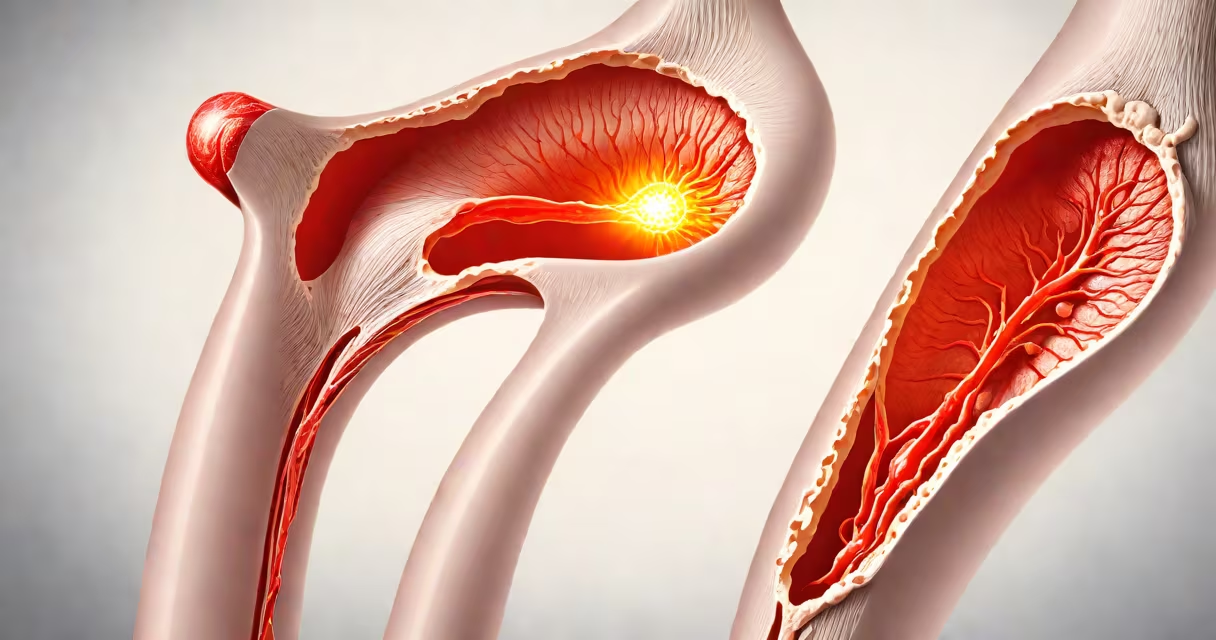
Period pains, or menstrual cramps, happen when the muscles in your uterus contract to shed its lining. These contractions reduce blood flow temporarily, causing pain. Most women experience them at some point.
The uterus sheds its lining during menstruation, which involves muscle contractions. These contractions press against blood vessels, reducing blood flow and causing pain. The body releases prostaglandins, chemicals that trigger inflammation and pain. Higher levels lead to stronger cramps.
| Type | Description | Typical Duration |
|---|---|---|
| Primary Dysmenorrhea | Common cramps in teens and young women with normal periods | 1-3 days |
| Secondary Dysmenorrhea | Cramps from conditions like endometriosis or fibroids | Longer than usual period |
Prostaglandins cause the uterus to contract, leading to cramps. Hormonal imbalances, especially high estrogen, worsen them. Stress and lack of exercise can increase pain sensitivity. Some women have more sensitive nerve endings in the uterus, making cramps feel worse.
Many think period pains are just part of being a woman, but severe cramps can indicate health issues. Others believe they only happen during menstruation, but some experience them before or after their period due to hormonal fluctuations.
Another myth is that period pains always get worse with age. While some women experience this, others find relief after childbirth or as they get older. Severe cramps that suddenly change should be checked by a doctor.
Over-the-counter pain relievers like ibuprofen can help. Heat therapy, such as a heating pad, relaxes uterine muscles. Exercise, even light walking, increases blood flow and reduces pain. Some women find relief with dietary changes, like reducing caffeine and increasing magnesium intake.
For severe cases, birth control pills regulate hormones and reduce cramps. Alternative treatments like acupuncture or herbal remedies may also help. Always consult a healthcare provider before trying new treatments.
If cramps interfere with daily life or are accompanied by heavy bleeding, fever, or nausea, see a doctor. These could indicate conditions like endometriosis or pelvic inflammatory disease, which require medical attention.
Understanding why period pains occur and how to manage them can improve quality of life. While mild cramps are normal, severe or persistent pain should be evaluated by a healthcare professional.