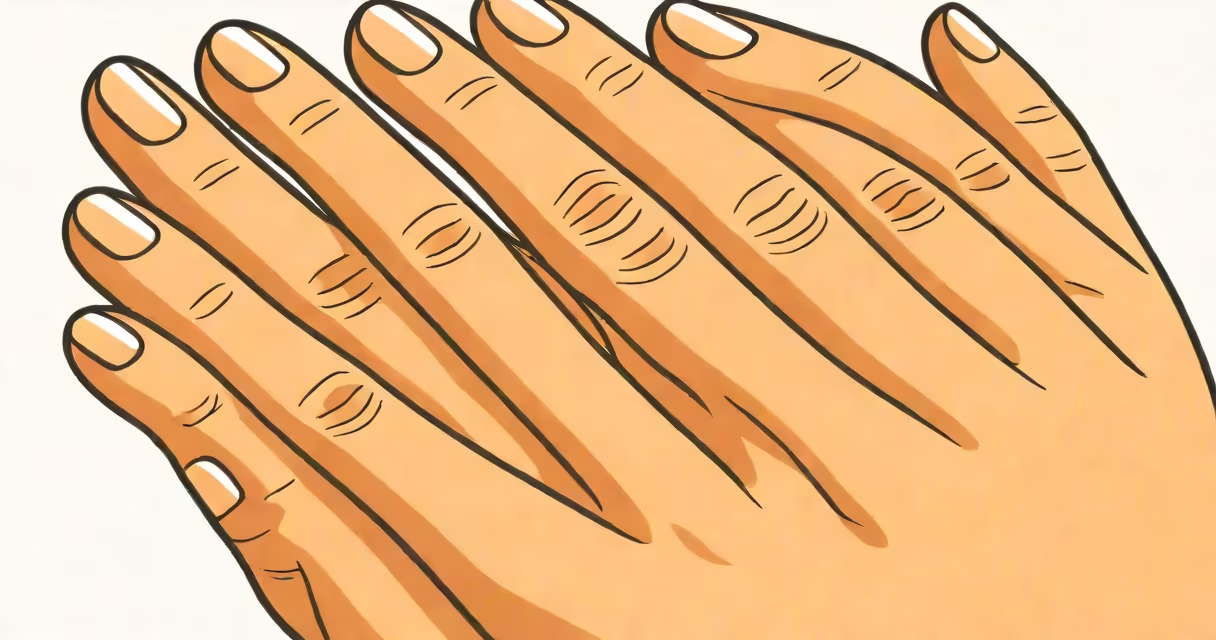
Finger swelling occurs when excess fluid accumulates in the soft tissues of your fingers, often due to inflammation, injury, or systemic conditions. This localized edema can affect one or multiple fingers and may cause discomfort or reduced mobility.
Swelling happens when small blood vessels leak fluid into nearby tissues. This process, called edema, can result from various triggers, including trauma, allergic reactions, or underlying health issues. The skin over the affected area may appear shiny or stretched, and the finger itself can feel firm or puffy to the touch.
Finger swelling can be classified based on its cause:
| Type | Characteristics | Common Causes |
|---|---|---|
| Acute Swelling | Sudden onset, often painful | Injury, infection, allergic reaction |
| Chronic Swelling | Gradual onset, persistent | Arthritis, heart or kidney disease |
| Unilateral Swelling | Affects one finger | Trigger finger, localized infection |
| Bilateral Swelling | Affects both hands symmetrically | Systemic conditions, fluid retention |
Many factors can contribute to finger swelling. Common causes include:
While minor swelling often resolves on its own, persistent or severe cases require medical attention. Seek help if you experience:
Doctors may perform tests, including blood work or imaging, to identify underlying causes. Treatment options range from rest and elevation to medications or therapy, depending on the diagnosis.
I once noticed my fingers swelling after long walks. Research led me to discover that finger swelling during exercise can result from increased blood flow and temporary fluid shifts. Elevating my hands afterward helped reduce the swelling.
To minimize swelling risk, maintain a balanced diet, stay hydrated, and avoid known allergens. If swelling occurs frequently, track potential triggers and consult a healthcare provider for personalized advice.