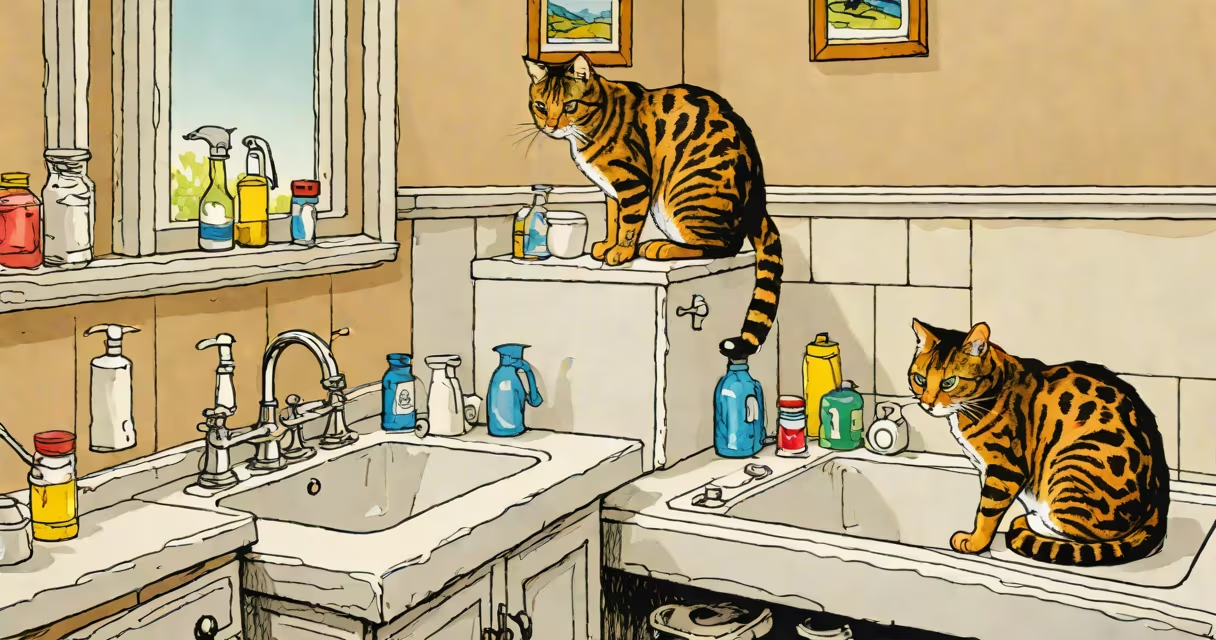
Cat pee in sink often results from territorial marking, stress, or medical issues. Cats may prefer sinks because they're clean, enclosed, and away from their food.
Cats communicate through scent, and urinating in unusual places like sinks is a way to mark territory. Unlike dogs, cats don't lift their legs to spray-they squat and release urine. This behavior is more common in unneutered males but can occur in any cat, especially if they feel threatened or anxious.
There are three primary reasons why cats pee in sinks:
Sinks are attractive to cats because they're cool, smooth, and often located in quiet areas like bathrooms. The enclosed space provides a sense of security, making it an ideal spot for marking or relieving themselves., cats dislike sharing their litter box with others, so they may seek alternative spots if multiple cats are in the household.
Many people assume that cats pee in sinks simply because they're clean. While cleanliness is a factor, it's not the only reason. Cats also choose sinks because they're elevated and away from their food and water sources. Unlike litter boxes, sinks don't carry the scent of waste, making them more appealing.
Another misconception is that only male cats exhibit this behavior. While unneutered males are more likely to spray, females and neutered males can also pee in sinks due to stress or medical issues.
To prevent your cat from peeing in the sink, start by addressing the root cause. If stress is the issue, provide a calm environment with hiding spots and vertical spaces like cat trees. If territorial marking is the problem, consider using calming pheromones or consulting a vet about neutering or spaying.
For medical concerns, schedule a vet visit to rule out UTIs or bladder stones. Keeping the litter box clean and placing it in a quiet, accessible location can also help. If your cat continues to pee in the sink, try placing aluminum foil or double-sided tape on the edge to deter them.